








Samuel Little | The Most Prolific Serial Killer In History

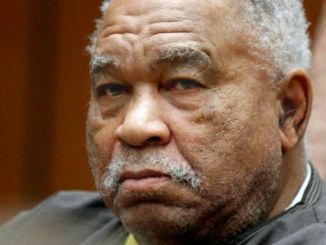
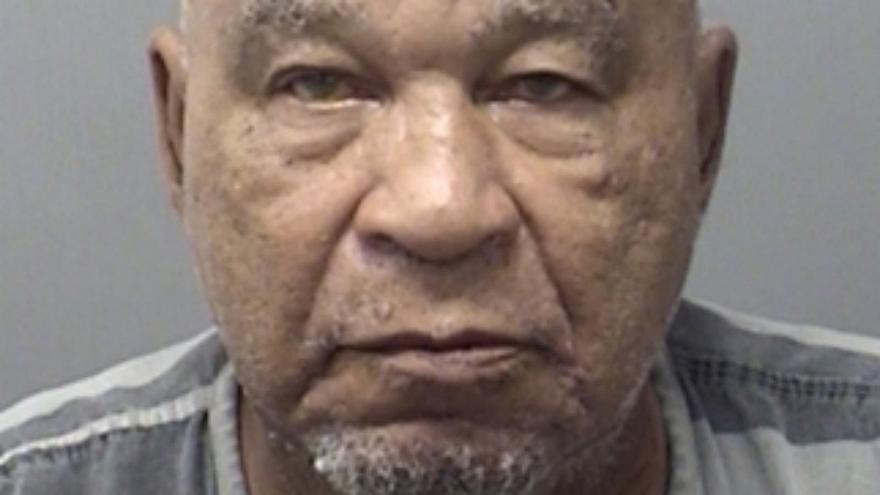
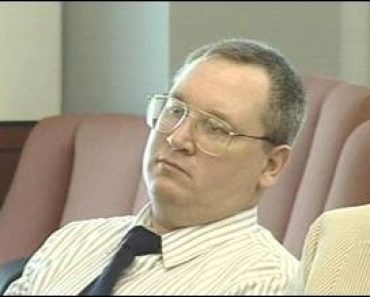
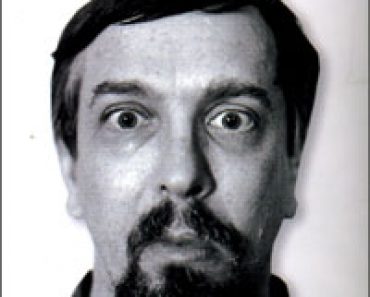
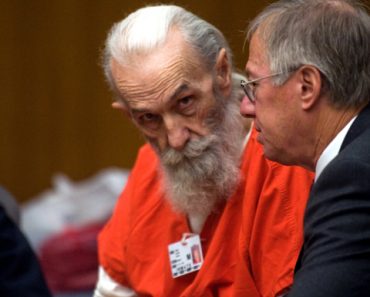
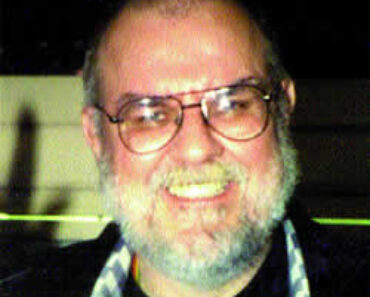
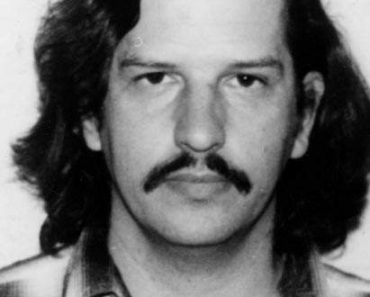
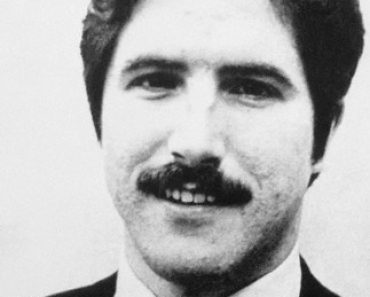
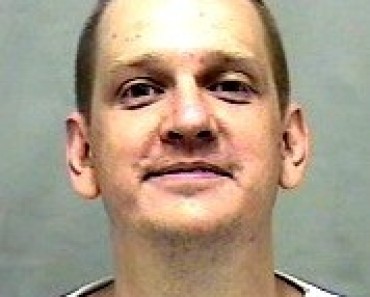
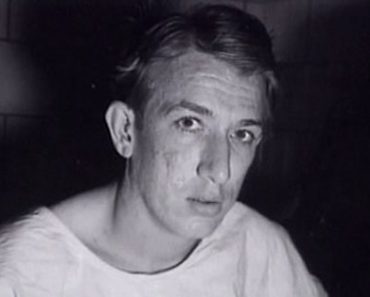
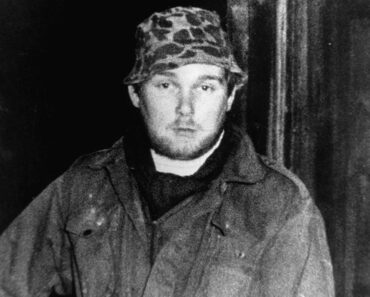
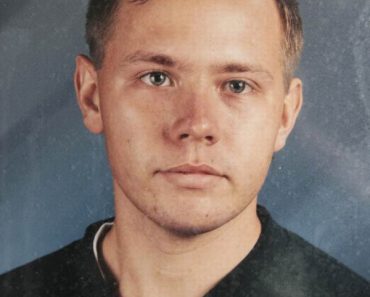
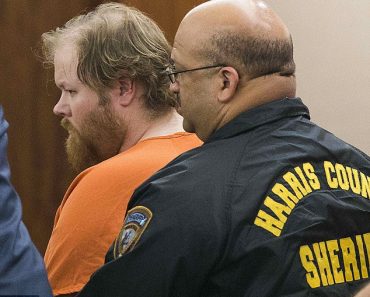
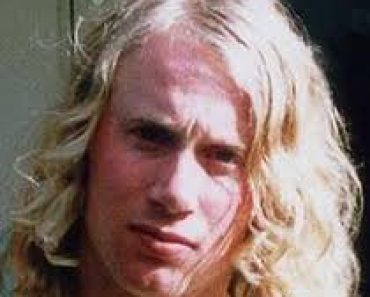
Samuel Little is the drifter-turned-serial predator the FBI now calls the most prolific serial killer in U.S. history, a man who spent four decades strangling vulnerable women and leaving their deaths misclassified as overdoses, accidents, or undetermined losses.

Samuel Little
Samuel Little

American Serial Killer

Samuel Little

The Most Prolific Serial Killer In History

Last Updated November 22, 2025


Samuel Little | American Serial Killer

Classification & Characteristics


Timeline of the Samuel Little Case

  • June 7, 1940 – Birth
    • Samuel McDowell (later known as Samuel Little) is born in Reynolds, Georgia. He later claims his teenage mother was a sex worker who abandoned him; he is raised mainly by his grandmother in Lorain, Ohio. Wikipedia+2Crime+Investigation UK TV Channel+2
  • 1950s–1960s – Escalating petty crime
    • As a teen, he’s caught for theft and sent to a juvenile facility. Through the 1960s he racks up arrests for burglary, theft, and assault; in 1961 he receives a three-year sentence for breaking into a furniture store in Lorain. Wikipedia+2Crime+Investigation UK TV Channel+2
  • 1970s–early 1980s – Murders begin
  • 1982–1984 – Murder charges, but acquittals
    • Arrested in Pascagoula, Mississippi for the murder of 22-year-old Melinda Rose LaPree; grand jury declines to indict.
    • Extradited to Florida and tried for the 1982 murder of Patricia Ann Mount; witnesses put him with the victim, but he is acquitted in January 1984. Wikipedia+2Oxygen+2
  • 1987–1989 – Los Angeles murders
  • September 5, 2012 – Arrest that finally sticks
    • Little is arrested at a homeless shelter in Kentucky on a narcotics warrant out of California. Once in Los Angeles, his DNA is matched to the three unsolved 1980s strangulations, and he is charged with three counts of murder. Federal Bureau of Investigation+2Oxygen+2
  • September 25, 2014 – Triple murder conviction
    • A Los Angeles County jury convicts Little of the three murders; he’s sentenced to three consecutive life sentences with no possibility of parole and admitted to state prison that November. Federal Bureau of Investigation+2CDCR+2
  • 2018 – “Confessions of a Killer”
  • 2018–2019 – New convictions in Texas and Ohio
    • Dec. 13, 2018: Little pleads guilty in Texas to the 1994 murder of Denise Christie Brothers in Odessa, receiving a fourth life sentence. Wikipedia+1
    • Aug. 23, 2019: From prison, he appears by video and pleads guilty in Ohio to killing Annie Lee Stewart, Mary Jo Peyton, Rose Evans, and Zena Marie Jones, earning additional life terms. Wikipedia+2Fox News+2
  • October 6, 2019 – FBI goes public
  • December 30, 2020 – Death behind bars
    • Little dies at age 80 in a California hospital while serving multiple life sentences. CDCR reports no foul play; he had longstanding heart issues, diabetes and other ailments. CDCR+2Los Angeles Times+2
  • 2021–present – Cases still being closed

→ Quick Answers

  • Who was Samuel Little?
  • Samuel Little was an American serial killer and lifelong drifter who confessed to murdering 93 women between 1970 and 2005. The FBI has confirmed him as the most prolific serial killer in U.S. history by number of verified victims. Federal Bureau of Investigation+2Federal Bureau of Investigation+2
  • How many people did he actually kill?
  • Little claimed 93 murders; law enforcement has so far confirmed 60+ of those confessions with evidence and case files. The remaining cases are still in various stages of review and identification. Texas Department of Public Safety+3Federal Bureau of Investigation+3Wikipedia+3
  • How was he finally caught?
  • In 2012, while jailed in California on a drug charge, his DNA was matched to three unsolved Los Angeles strangulations from the late 1980s. That triple murder conviction opened the door to a deeper ViCAP review and, ultimately, his 93 murder confessions. Federal Bureau of Investigation+2Oxygen+2
  • Is Samuel Little still alive?
  • No. Little died on December 30, 2020, at age 80, in a California hospital while serving multiple life-without-parole sentences. CDCR+2Los Angeles Times+2

🕊️Victims of Samuel Little

  • The Bigger Picture
  • Little targeted women he believed would not be missed: sex workers, women addicted to drugs or alcohol, runaways, and women living on the streets. Many were Black; many were never formally identified or were misclassified as non-homicide deaths. The Washington Post+2Federal Bureau of Investigation+2
  • The FBI has confirmed at least 60 victims across 19 states, and believes all 93 confessions are credible. Federal Bureau of Investigation+2Federal Bureau of Investigation+2
  • Convicted Victims (8) Wikipedia+2Wikipedia+2
  • Carol Linda Alford (41) – Found strangled in an alley in Los Angeles, July 13, 1987. DNA in 2012 linked Little to her murder; he was convicted in 2014.
  • Audrey Nelson Everett (35) – Discovered in a dumpster behind a restaurant/night club in Los Angeles on August 14, 1989. She had been beaten and strangled. Little was convicted in 2014.
  • Guadalupe Duarte Apodaca (46) – Found in an abandoned auto repair shop in Los Angeles on September 3, 1989. Evidence showed she was strangled while Little knelt on her chest. He was convicted in 2014.
  • Denise Christie Brothers (32) – Mother of two from Odessa, Texas. Reported missing January 1994; her body was found February 2, 1994. Little later confessed and pleaded guilty, receiving an additional life sentence in 2018.
  • Annie Lee Stewart (32) – Missing from Cincinnati, Ohio, October 1981; her body was dumped near Grove City, Ohio. Little was convicted of her murder on August 23, 2019.
  • Mary Jo Peyton (21) – Met Little at a bar in Cleveland in 1984; he strangled her and left her body in an abandoned factory. Her remains were discovered July 3, 1984; Little was convicted in 2019.
  • Rose Evans (32) – Picked up by Little in Cleveland and strangled in his car around August 24, 1991. He disposed of her body in an abandoned area. Little was convicted in 2019.
  • Zena Marie Jones (30) – Sex worker from Memphis, Tennessee, last seen in July 1990; her body was later found near the Mississippi River in Arkansas. Little confessed and was convicted in 2019.
  • Unidentified & Still-Matching Victims
  • Dozens of other victims remain unidentified by name, but appear in Little’s confessions and sketches—women from Florida, Georgia, Louisiana, Texas, California, Ohio, Kentucky and beyond. State agencies and the FBI continue to match cold cases to these drawings years after his death. The Washington Post+3Federal Bureau of Investigation+3Texas Department of Public Safety+3

→ FAQs

Why didn’t police catch Little sooner?

Little exploited three systemic failures: fragmented law-enforcement communication across states, the low priority given to murders of marginalized women (especially sex workers and drug users), and frequent misclassification of strangulation deaths as overdoses or “unexplained.” He moved constantly, leaving under-resourced jurisdictions to handle “one” case at a time instead of seeing the pattern. The Washington Post+2The Washington Post+2

Did Samuel Little really remember all those victims?

Investigators say he had an astonishing visual memory. In interviews, he recalled clothing, hairstyles, specific bars or motels, freeway exits, and dump sites. His hand-drawn portraits of victims – even decades later – have matched actual photos in multiple cases. Federal Bureau of Investigation+2Federal Bureau of Investigation+2

What role did the FBI and Texas Ranger James Holland play?

After Little’s California conviction, the FBI’s ViCAP flagged his history and potential link to other unsolved homicides. Texas Ranger James Holland then conducted hundreds of hours of rapport-based interviews, coaxing out detailed confessions that ViCAP analysts matched to long-dormant cases around the country. Federal Bureau of Investigation+2CBS News+2

Are there still unidentified Samuel Little victims today?

Yes. Even after dozens of matches, many of the 93 confessed victims remain unidentified or only tentatively linked. The FBI and state agencies continue to publicize his sketches, timelines and confession clips in hopes of giving those victims their names back. ABC News+3Federal Bureau of Investigation+3Texas Department of Public Safety+3


Samuel Little | Possibly the Most Prolific Serial Killer In History


Samuel Little | Possibly the Most Prolific Serial Killer In History

👉 The Story

A Boy Nobody Was Watching

Samuel Little was born into instability. He later claimed his teenage mother was a “lady of the night” who abandoned him early; official records show a young couple – Bessie Mae and Paul McDowell – barely adults themselves. Soon after his birth, the family left rural Georgia for Lorain, Ohio, where he was raised mainly by his grandmother. Wikipedia+1

From childhood he seemed drawn to two things: petty crime and strangulation fantasies. He would later tell investigators that the first time he felt sexually aroused was watching a kindergarten teacher touch her own neck. As a teen he shoplifted and broke into homes, landing in juvenile custody by 1956. He dropped out of high school and quickly learned that a restless, nomadic life could keep him two steps ahead of any one town’s police. Wikipedia+2Crime+Investigation UK TV Channel+2

A Drifter Learning What He Could Get Away With

By the 1960’s and ’70’s, Little’s pattern was set. He bounced between Ohio, Florida, the Deep South and the West Coast, supported by odd jobs, shoplifting and a long-term girlfriend who also stole to keep them afloat. The arrest count climbed – robbery, assault, attempted rape, fraud – but meaningful prison time did not. Judges, overworked prosecutors and scattered records meant each case was seen in isolation, never as part of something far darker. Oxygen+2The Washington Post+2

He once told an interviewer that by the mid-1970’s, he knew two things: strangling women sexually excited him, and the women most available to him were those no one seemed to protect – sex workers, women addicted to drugs or alcohol, women living day to day on the street. Those, he believed, were the deaths least likely to spark outrage, media attention or multi-agency task forces. The Washington Post+2Marshall Digital Scholar+2

Early Murder Trials That Went Nowhere

In 1982, the pattern finally brushed up against a courtroom in a serious way. Little was arrested in Pascagoula, Mississippi, for the murder of Melinda LaPree, a 22-year-old sex worker last seen getting into a car witnesses later linked to him. A grand jury declined to indict – witness issues, credibility doubts, the usual cracks. Oxygen+2Wikipedia+2

While under investigation, he was extradited to Florida and tried for the murder of Patricia Ann Mount, another vulnerable woman whose body had been found in a rural area. Witnesses said they saw Mount leave a bar with a man they identified as Sam McDowell. But cross-examination and defense arguments eroded confidence in the IDs, and in January 1984 a jury acquitted him. A potential serial killer walked out of court essentially reset: still a drifter, still free, still hunting. Wikipedia+2Oxygen+2

Invisible Murders

Through the 1980’s and 1990’s, Little moved through cities that have become shorthand for his victims: Los Angeles, Miami, Tampa, Atlanta, Odessa, New Orleans, Cleveland, Cincinnati, Akron, and dozens more. The FBI timeline later mapped at least 37 cities where he confessed to killing. Los Angeles Times+2Federal Bureau of Investigation+2

He had a reliable approach: cruise problem-plagued neighborhoods or red-light strips; offer a ride, drugs, or a place to crash; drive to a secluded spot; then use his hands. Strangulation left fewer obvious signs than gunfire or stabbing, and coroners – especially in the 1970’s and ’80’s – too often marked such deaths as overdose-related, natural or “undetermined.” The victims’ lifestyles made it tragically easy for the system to look away. The Washington Post+2The Washington Post+2

When he finished, he dumped bodies along roads, in alleys, in fields, behind abandoned buildings. Sometimes they were found quickly and misclassified; other times they weren’t found at all. Little kept almost no trophies. The murders existed largely in his memory – and, later, in his art. Federal Bureau of Investigation+2Federal Bureau of Investigation+2

DNA, ViCAP and a Ranger Named Holland

The turning point came not from some dramatic sting operation, but from a drug warrant. In 2012, officers picked up Little at a homeless shelter in Louisville, Kentucky, on a Los Angeles narcotics case. As part of routine booking, his DNA was checked against unsolved cases. Three cold-case profiles lit up: the strangulations of Carol Alford, Audrey Nelson Everett, and Guadalupe Apodaca in late-1980’s Los Angeles. Federal Bureau of Investigation+2Wikipedia+2

The 2014 Los Angeles conviction put him behind bars for life, but it was the FBI’s Violent Criminal Apprehension Program that asked the next logical question: if this man strangled three women in one city, in one narrow slice of time, what else was out there? ViCAP analysts flagged Little as a potential multi-state serial killer and began quietly comparing his history to unsolved cases nationwide. Federal Bureau of Investigation+2Federal Bureau of Investigation+2

Enter Texas Ranger James Holland, a seasoned interrogator with a knack for building rapport. Over months of interviews, Holland gave Little attention, cigarettes, art supplies, and the kind of undivided focus he’d never received from society at large. In return, Little talked – about women he’d met in bars and alleys, about car rides that ended beside rivers or freeways, about laughter that became gasps under his hands. He drew them, too, in vivid, sometimes disturbingly tender portraits. CBS News+2Federal Bureau of Investigation+2

Confessions That Keep Solving Cases

As Holland and the FBI cross-checked Little’s stories with old files – missing-person reports, unidentified remains, long-forgotten case notes – dozens of matches emerged. A strangled woman on a Georgia freeway. A Jane Doe in New Orleans. An Ohio mother whose case had haunted her family for decades. Each match added weight to the claim that 93 was not a boast, but a ledger. Texas Department of Public Safety+4Wikipedia+4ABC News+4

In 2018 and 2019, prosecutors in Texas and Ohio moved quickly on the strongest cases, securing new convictions and guilty pleas to ensure that – even if something happened to his California sentences – Samuel Little would never leave prison alive. When the FBI went public in October 2019, calling him the most prolific serial killer in U.S. history, they also released dozens of sketches and an interactive map, inviting families to search for familiar faces. Federal Bureau of Investigation+3Federal Bureau of Investigation+3Federal Bureau of Investigation+3

Even after his death in 2020, detectives continued to close cases based on his confessions. For some families, the news meant painful confirmation; for others, it was the first time their loved one had ever been publicly acknowledged as a homicide victim at all. CDCR+3Texas Department of Public Safety+3ABC News+3


Legal Status | Paper Trail | Samuel Little

  • 2014 – People v. Samuel Little (Los Angeles County, CA)
    • Convicted of the murders of Carol Alford, Audrey Nelson Everett, and Guadalupe Apodaca.
    • Sentenced to three consecutive life sentences without parole; admitted to California state prison on Nov. 24, 2014. Federal Bureau of Investigation+2CDCR+2
  • 2018 – State of Texas v. Samuel Little (Ector County, TX)
    • Pleads guilty to the 1994 strangulation murder of Denise Christie Brothers in Odessa, Texas.
    • Receives a fourth life sentence (life without parole). Wikipedia+2Fox News+2
  • 2019 – State of Ohio v. Samuel Little (Cuyahoga & Hamilton Counties, OH)
    • Appears by video from California and pleads guilty to killing Annie Lee Stewart, Mary Jo Peyton, Rose Evans, and Zena Marie Jones in Ohio.
    • Given additional life sentences; effectively ensures he dies in custody even if other sentences were somehow overturned. Wikipedia+2Fox News+2
  • 2018–2020 – FBI ViCAP & Multi-State Cold-Case Activity
  • December 30, 2020 – Death in Custody
    • California Department of Corrections and Rehabilitation announces Little’s death at age 80 in a Los Angeles County hospital; cause of death left to coroner, no suspected foul play. CDCR+2Los Angeles Times+2

📚 Additional Resources

📚 Further Reading / Watching

This site contains affiliate links. We may, at no cost to you, receive a commission for purchases made through these links. Thank you for your support.


JOIN US

Fireside Crime Stories

If the written word keeps you leaning forward into the shadows, then you’ll love settling back by the fire with us. On our YouTube channel, these same haunting stories are told in a softer voice – woven with stormlight, fire crackle, and quiet piano. Perfect for late-night listening, or for those who want to drift into slumber carried by true crime whispers instead of headlines. Step into the firelight, and join us there.

FIRESIDE CRIME STORIES


Related WickedWe Cases


👉 This page is part of the WickedWe True Crime Archive – a resource for researchers, students, and true crime enthusiasts seeking verified facts, case records, and deeper historical context. [Disclaimer→ WickedWe.com is an educational/entertainment column only. No graphic imagery. Victim-respect policy. Nothing herein is legal advice.]

Beyond the Gavel | Samuel Little

Roll Card


Docket Map | Proceedings (Condensed)

  • 2012 – DNA Arrest & Extradition
    • Arrested in Kentucky on California drug warrant; LAPD obtains DNA hits linking him to three unsolved Los Angeles murders from 1987–1989. Federal Bureau of Investigation+1
  • 2013–2014 – Los Angeles Triple-Murder Trial
    • Charged with the murders of Carol Alford, Audrey Nelson Everett and Guadalupe Apodaca.
    • Sept. 25, 2014: convicted on all counts; sentenced to three consecutive life-without-parole terms. Federal Bureau of Investigation+2CDCR+2
  • 2018 – Texas Plea (Denise Brothers)
    • Pleads guilty in Ector County, Texas, to the 1994 murder of Denise Christie Brothers.
    • Receives another life sentence, to be served after California terms. Wikipedia+2Fox News+2
  • 2018–2019 – ViCAP / Ranger Holland Confession Phase
  • 2019 – Ohio Guilty Pleas
    • Appears by video for Ohio proceedings; pleads guilty to four additional murders (Stewart, Peyton, Evans, Jones).
    • Receives multiple concurrent life sentences. Wikipedia+2Fox News+2
  • 2020–present – Ongoing Matching

Case File Extras | What the Record Shows

  • Arrests vs. Prison Time – Despite being arrested more than 100 times for violent and property crimes, Little spent fewer than ten total years behind bars before his 2014 murder conviction. Oxygen+2Crime+Investigation UK TV Channel+2
  • Why Strangulation Worked for Him – Autopsies in multiple jurisdictions recorded deaths as overdoses, accidents, or natural causes, especially when victims had drugs or alcohol in their system. This misclassification masked homicides and allowed Little to avoid detection. The Washington Post+2Federal Bureau of Investigation+2
  • The Role of ViCAP – The FBI’s centralized database for violent crimes allowed analysts to see patterns in victim demographics, cause of death, and geography that individual departments never connected. Little’s case is now used as a ViCAP success story in training. Police1+3Federal Bureau of Investigation+3Federal Bureau of Investigation+3
  • Confessions as Cold-Case Tools – Many of Little’s confessions included precise visual and geographic details—like specific bars, highways, bridges, or billboards—that helped investigators narrow down which Jane Doe or missing-person case he was describing. Federal Bureau of Investigation+2Los Angeles Times+2

Source Pack

Official / Primary

In-Depth Reporting & Analysis