
























Posteal Laskey | The Cincinnati Strangler | Death In Ohio

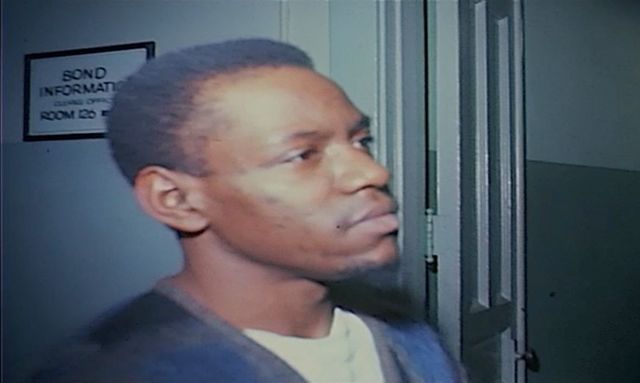
Posteal Laskey Jr. – better known to Cincinnati as “the Cincinnati Strangler” – was convicted in 1967 for the murder of 31-year-old Barbara Bowman and long suspected in a string of strangulation killings that terrorized the city’s neighborhoods through 1965–1966.

Posteal Laskey
Posteal Laskey

American Serial Killer

Posteal Laskey | The Cincinnati Strangler
20Last Update December 1, 2025


  • Offender: Posteal Laskey Jr.
  • AKA:The Cincinnati Strangler
  • Born: June 18, 1937 (Cincinnati, Ohio)
  • Arrested: December 9, 1966 (Cincinnati, Ohio)
  • Primary Conviction: First-degree murder of Barbara Bowman (Aug. 14, 1966)
  • Sentence: Death (1967), later commuted to life following 1972 U.S. Supreme Court action tied to Furman-era changes
  • Custody/Outcome: Died in Ohio state prison custody, May 29, 2007 (Pickaway Correctional Institution)
  • Investigative Scope: Police publicly linked Laskey to seven similar strangulations (he was tried for one)

Classification & Characteristics | Posteal Laskey

Laskey fits the profile of a predatory, organized offender who hunted victims in familiar urban corridors (Mt. Auburn, Avondale, downtown/Central Business District). He targeted adult women – often attacked indoors – using ligatures or manual strangulation and leaving little trace beyond the violence itself. Investigators described a mobile pattern (on foot or by car/taxi) and a blitz approach: quick entry, overpowering force, rapid exit.

Socially, he maintained work and relationships that helped mask offending, a hallmark of offenders who can “pass” in daily life while preying on opportunity. While only one murder (Barbara Bowman) yielded a conviction, police, the press, and later retrospectives consistently associate seven deaths (1965–1966) with the “Cincinnati Strangler” series.


Timeline of the Posteal Laskey Case

  • Dec 1965 – Dec 1966: Series of strangulations of Cincinnati women draws intense media/police focus.
  • Aug 14, 1966: Barbara Bowman murdered; evidence in her case becomes cornerstone of later prosecution.
  • Dec 9, 1966: Lula Kerrick slain; same day Laskey arrested after mounting surveillance and witness leads.
  • Apr 1967: Jury convicts Laskey for Bowman’s murder; death sentence imposed.
  • 1968–1970: Conviction affirmed on appeal by the Ohio Court of Appeals and Ohio Supreme Court.
  • June 29, 1972: U.S. Supreme Court vacates in part (death component) in light of capital-punishment rulings; sentence becomes life.
  • May 29, 2007: Laskey dies in prison (Pickaway CI).

→ Quick Answers

  • Where is Posteal Laskey now? Deceased – May 29, 2007 at Pickaway Correctional Institution (Ohio).
  • Was he executed? No. His 1967 death sentence was vacated in part after 1972 Supreme Court action; he served life.
  • How many victims? Convicted of one (Bowman). Police/public narrative links seven strangulations to the series.
  • Why only one trial? Prosecutors prioritized the strongest, most trial-ready case (Bowman) amid a volatile climate and then-evolving death-penalty law.

🕊️Victims of Posteal Laskey

(Series Attributed by Police/Public) Names/dates reflect contemporary reporting; some ages/spellings vary by source.

  • Emogene Harrington (56) –Dec 2, 1965
    Lois Dant (58) – Apr 4, 1966
    Matilda (Jeannette) Messer (56) – Jun 10, 1966
    Barbara Bowman (31) – Aug 14, 1966 (trial/conviction case)
    Alice Hochhausler (51) – Oct 11, 1966
    Rose K. Winstel (81) – Oct 20, 1966 (age widely reported as 81)
    Lula Kerrick (81) – Dec 9, 1966

Key source lists and contemporary retrospectives:

  • Victim list overview (Enquirer retrospective; Wikipedia summary).
  • Rose Winstel age/address confirmation (local library/DPLA image record).

→ FAQs

Was Laskey ever paroled?

No; he died in custody in 2007. A 2007 news piece noted a parole review, but he did not regain freedom.

Did courts overturn his conviction?

No. Ohio appellate courts affirmed; the U.S. Supreme Court later vacated in part (death component) consistent with early-1970s capital-punishment rulings.

Was he a confirmed serial killer?

He was convicted of one murder; police and public accounts associate seven stranglings. Debate persists over definitive attribution beyond Bowman.

What neighborhoods were impacted?

Mt. Auburn, Avondale, downtown/CBD corridors – multi-family buildings and apartments, heightening fear in 1965–1966.


Posteal Laskey | The Cincinnati Strangler | Death In Ohio


Posteal Laskey | The Cincinnati Strangler

👉 The Story

A City on Edge (1965–1966)

Cincinnati’s hills and close-set neighborhoods – Mt. Auburn, Avondale, and the downtown corridors – were rattled by a string of sudden, intimate killings in homes and apartments. Women were found strangled; entry was often quick, the attack faster still. Patrols thickened, tips multiplied, and an anxious public gave the unknown offender a name the press would not let go: the Cincinnati Strangler.

Pattern, Panic, and Police Pressure

Detectives began mapping dates, addresses, and victimology. The killings clustered in time and place, and the method signaled a predatory offender comfortable moving through multi-family buildings and familiar stairwells. Community meetings and headlines amplified pressure: catch him before he strikes again.

The Bowman Murder

On an August night in 1966, Barbara Bowman was attacked and strangled. The investigation around her death—witness threads, movements, and behavior before and after – gave police something the earlier cases had not: a prosecutable line through a single suspect, Posteal Laskey Jr. While the broader series remained under review, Bowman’s case crystallized into the strongest file.

Surveillance, a Break, and an Arrest

By December, Laskey drew sustained surveillance. On December 9, 1966, the same day Lula Kerrick was killed, officers closed in and took Laskey into custody. For a city that had lived with fear for a year, the arrest landed like a pressure valve opening – one man in handcuffs, one case ready for trial.

Building the Trial Case

Prosecutors made a strategic choice: try the Bowman murder first, the file with the cleanest evidentiary spine. Behind the scenes, investigators continued probing the other strangulations, but in court the state focused on what could be proved beyond a reasonable doubt. The defense pressed at every weak seam – identity, reliability, and inference. The jury, confronted with the Bowman record, was not persuaded.

Verdict and Death Sentence (1967)

In 1967, a Hamilton County jury convicted Laskey for the murder of Barbara Bowman, and the court imposed death. For many, the verdict answered the public dread of the preceding year. For others, questions remained about the full extent of responsibility for the larger series and whether all seven attributed deaths could ever be definitively closed.

Appeals, Affirmances, and a Changing Death-Penalty Landscape

Laskey’s conviction and death sentence were affirmed by Ohio appellate courts. Then the legal ground shifted nationally. In the early 1970s, capital-punishment rulings from the U.S. Supreme Court forced states to revisit death sentences imposed under earlier frameworks. Laskey’s case followed that current: the death component was vacated in part, his sentence converting to life imprisonment.

Life Inside, Debate Outside

Laskey never left prison. He died in state custody in 2007. Outside the walls, the case took on the character of civic memory: one man convicted for one murder, widely associated with a series that had terrified a city. Journalists, historians, and true-crime chroniclers continued to revisit the files, re-examining timelines, neighborhoods, and witness accounts.

The Series vs. the Record

Officially, the record is narrow – one conviction (Bowman). Informally, the story most Cincinnatians tell is broader: seven strangulations in 1965–1966 that changed how people locked doors, walked hallways, and looked over their shoulders. The difference between those two truths-the legal and the lived-still defines how the “Cincinnati Strangler” is remembered.


Posteal Laskey


Legal Status | Paper Trail | Posteal Laskey

  • Trial & Sentence (1967): Hamilton County conviction; death sentence. (Historical coverage & summaries)
  • Appeal – Ohio Court of Appeals (1968): State v. Laskey, 13 Ohio App.2d 91, 234 N.E.2d 318 (1st Dist. 1968) (affirming).
  • Link: Casemine copy
  • Appeal – Ohio Supreme Court (1970): State v. Laskey, 21 Ohio St.2d 187, 257 N.E.2d 65 (1970).
  • Link (official court PDF cites this decision): Ohio Supreme Court (see p. 191 reference)
  • U.S. Supreme Court (1972): Laskey v. Ohio, 408 U.S. 936 (June 29, 1972) (vacated in part; death penalty component).
  • Link: CourtListener index for 92 S. Ct. 2861
  • Custody/Death: Ohio DRC Offender Detail (A124990) confirming identity/status; death in custody May 29, 2007 (Pickaway CI).
  • Links: Ohio DRC Offender Detail, Columbus Dispatch (news obituary)

📚 Additional Resources

📚 Further Reading / Watching

This site contains affiliate links. We may, at no cost to you, receive a commission for purchases made through these links. Thank you for your support.


JOIN US

Fireside Crime Stories

If the written word keeps you leaning forward into the shadows, then you’ll love settling back by the fire with us. On our YouTube channel, these same haunting stories are told in a softer voice – woven with stormlight, fire crackle, and quiet piano. Perfect for late-night listening, or for those who want to drift into slumber carried by true crime whispers instead of headlines. Step into the firelight, and join us there.

FIRESIDE CRIME STORIES


Related WickedWe Cases

  • Wayne Nathan Nance – The Missoula Mauler
  • Michael Ross – The Serial Killer Who Dropped Hints
  • Peter Manuel – The Beast of Birkenshaw
  • Cedric Allen Ricks – Bedford Double Murder (TX)

👉 This page is part of the WickedWe True Crime Archive – a resource for researchers, students, and true crime enthusiasts seeking verified facts, case records, and deeper historical context. [Disclaimer→ WickedWe.com is an educational/entertainment column only. No graphic imagery. Victim-respect policy. Nothing herein is legal advice.]

Beyond the Gavel

Roll Card – Snapshot

  • Name: Posteal Laskey Jr. (A124990)
  • Moniker: “Cincinnati Strangler”
  • Jurisdiction: Hamilton County, Ohio (Cincinnati)
  • Primary Case Tried: Barbara Bowman (Aug. 14, 1966)
  • Sentence Path: Death (1967) → vacated in part (1972) → Life imprisonment
  • Custody Outcome:Died in prison (Pickaway CI), May 29, 2007

Docket Map – Proceedings (Condensed)

  • Trial/Sentence (1967): Hamilton Cty. Common Pleas – Conviction (Bowman), Death imposed. (contemporary/summary sources)
  • Appeal (1968): State v. Laskey, 13 Ohio App.2d 91, 234 N.E.2d 318 (1st Dist.) – Affirmed. Casemine
  • Ohio Supreme Court (1970): State v. Laskey, 21 Ohio St.2d 187, 257 N.E.2d 65 – Affirmed. (official docket cites in recent court PDF) Ohio Courts PDF
  • U.S. Supreme Court (1972): Laskey v. Ohio, 408 U.S. 936 (June 29, 1972) – Vacated in part (death component) consistent with capital-punishment rulings.

Stay / Warrant / Window

  • 1967: Death warrant initially set post-conviction.
  • 1972: In wake of Furman-era decisions, death component vacated; sentence becomes life.

Case File Extras – What the Record Shows

Source Pack

  • Ohio Court of Appeals (1968): State v. Laskey, 13 Ohio App.2d 91 – Full text (Casemine)
  • Ohio Supreme Court (1970): State v. Laskey, 21 Ohio St.2d 187 – Recent Ohio Supreme Court PDF citing case (see ¶69)
  • U.S. Supreme Court (1972): Laskey v. Ohio, 408 U.S. 936 – CourtListener index
  • Ohio DRC Offender Detail
  • Cincinnati Retrospectives/Overviews: Cincinnati.com feature • WCPO archive (search)
  • Rose Winstel age/address artifact: DPLA record