

















George Smith | Brides in the Bath Murders | Murder For Money

George Smith was a cold-blooded opportunist whose charm concealed a methodical killer. Between 1912 and 1914, he married a string of women under false names, took control of their finances, and drowned them in their bathtubs to collect their life insurance.

George Smith | Serial Killer
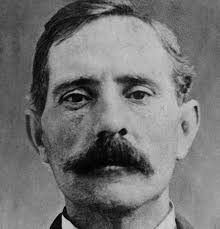
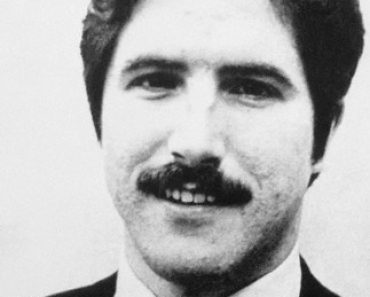
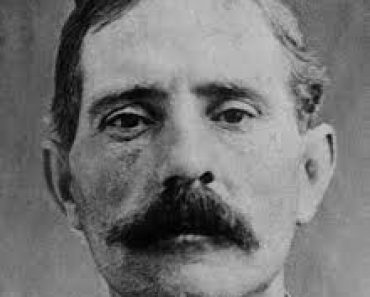
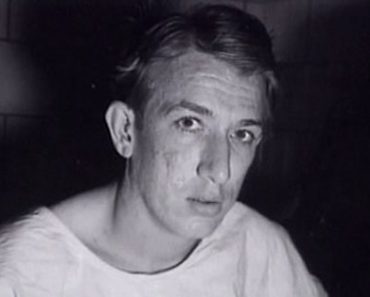
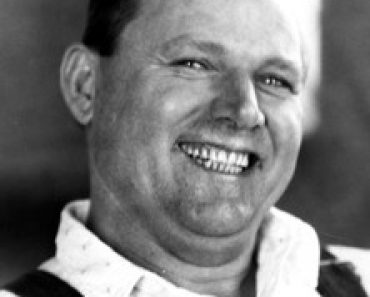
George Smith photo
George Smith

British Serial Murderer


George Smith | Brides in the Bath Murders

  • Full Name: George Joseph Smith
    Alias: “The Brides in the Bath Murderer”
    Born: January 11, 1872 – Bethnal Green, London, England
    Height: 5’8″
    Gender: Male
    Nationality: British
    Classification: Serial Killer, Bigamist, Financial Predator
    Characteristics: Greed-motivated, manipulative charm, methodical drowning of wives for life insurance
    Victim Count: 3 confirmed (possibly more)
    Date of Murders: 1912–1914
    Date of Arrest: February 8, 1915
    Date of Conviction: July 1, 1915
    Victim Profile: Young women lured into marriage, typically wealthy or insured
    Method: Drowning in bathtubs staged to appear accidental
    Location: Various towns in England (London, Blackpool, Highgate)
    Motive: Financial gain through marriage and insurance fraud
    Convictions: One count of murder (Bessie Mundy; used as test case)
    Sentence: Death by hanging
    Execution Date: August 13, 1915 – Maidstone Prison, Kent, England
    Status: Executed

Classification & Characteristics

George Joseph Smith was a serial bigamist and financial predator, a manipulative man who weaponized affection for profit. His crimes were calculated, blending romance, deceit, and murder into one seamless operation. He preyed upon lonely women of means, charming them into hasty marriages under false names before draining their bank accounts—and their lives.

His murders were simple but chillingly effective. Each “bride” was found drowned in her bathtub, seemingly the victim of a tragic accident or fainting spell. In truth, Smith had perfected a swift technique: he would seize his victim suddenly as she bathed, forcing her head underwater in one violent motion. The absence of struggle puzzled doctors until an experimental re-creation by forensic pathologist Sir Bernard Spilsbury proved how easily Smith’s “accidents” could be staged. His motive was pure greed; his method, pure cold efficiency.

Timeline Summary

Started: January 1912 (first marriage to Caroline Beatrice Burnham, an early confidence scam preceding the murders)
Ended: February 8, 1915 (arrest following connection between multiple bathtub deaths)
Convictions: One count of murder (of Bessie Mundy), though evidence tied him to three identical deaths
Known Victims:

  • Bessie Mundy – found drowned in her bath, Herne Bay (1912)
  • Alice Burnham – drowned in Blackpool, December 1913
  • Margaret Lofty – drowned in Highgate, December 1914
    Suspected Victims: Additional wives and fiancées defrauded of money and property
    Accomplices: None (acted alone)
    Duration: Three-year span of murders and frauds
    Apprehended: February 8, 1915 – arrested after a coroner linked patterns in the deaths
    Trial & Conviction: Tried at Old Bailey, London; convicted July 1, 1915
    Sentence: Death by hanging, carried out August 13, 1915
    Current Status: Deceased


George Smith | Brides in the Bath Murders

The Story

The Brides in the Bath: Murder for Money

He was a man of many names – George Joseph Smith, Charles Oliver, George Love, and a dozen others. To those who met him, he was charming, well-mannered and always attentive. He seemed respectable, perhaps even romantic. But behind the polished exterior was a predator whose courtships ended in bathtubs and bank withdrawals.

George Smith

Born in Bethnal Green, London, in 1872, George began stealing young. He was clever, manipulative, and utterly without conscience. By his twenties, he had served multiple prison sentences for theft and fraud. What set him apart wasn’t violence – it was calculation. He discovered early that women were far easier to rob than safes.

Smith’s methods were meticulous. He haunted newspapers and church listings, searching for lonely or widowed women with modest inheritances. He’d charm them into quick marriages, persuade them to make wills in his favor, and soon after, tragedy would strike. The story was always the same: his young wife, recently married, found drowned in the bath – no signs of struggle, no witness to the moment she slipped beneath the water.

George Smith Finds His Calling

George Joseph Smith was not a killer born of passion but of profit.
The son of an insurance agent, he grew up in London’s East End and showed little interest in honest work. Sent to a reformatory at the age of nine, Smith’s life soon became a revolving door of theft, swindling, and short prison stays. His charm and confidence masked a parasitic existence – feeding on trust, affection, and the bank accounts of women who believed his lies.

By the late 1890s, he had found his calling. Under false names, he courted lonely or widowed women, promised them security, then left them penniless. In 1898, he married Caroline Beatrice Thornhill in Leicester, calling himself Oliver George Love. Together they ran petty thefts until she was caught and jailed. When she confessed to police that her husband had orchestrated everything, Smith was sentenced to two years in prison. Upon his release, he vanished – taking another woman’s savings with him.

It became his routine. Between 1908 and 1914, Smith entered into at least seven bigamous marriages. He would marry, empty his new bride’s savings, sell her belongings and disappear. In most cases, theft was enough. But as his confidence grew, so did his greed.

An Anchor For George Smith

George married Florence Wilson in 1908, drained her savings, and left. Then Sarah Freeman, whom he robbed of £400 in war bonds. Alice Reid, Edith Peglar, and several others followed – each a stepping stone in his long career of deception. Edith Peglar, one of the few women he didn’t defraud, became a strange sort of anchor. He returned to her between scams, posing as an antique dealer and bringing gifts paid for with other women’s savings.

By 1912, theft alone no longer offered enough reward – or enough thrill. That year, Smith wed Bessie Mundy, a spinster of comfortable means. Within months, she was dead – found drowned in her bathtub, her husband the only witness. Doctors declared it an accident, and Smith collected her estate without delay.

In 1913, he repeated the pattern with Alice Burnham in Blackpool. She, too, was discovered drowned in her bath, the cause again ruled accidental. A year later, Margaret Lofty met the same fate in Highgate, London. Three young wives, three identical deaths, and one man profiting from them all.


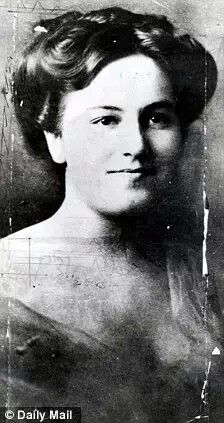
Bessie Mundy photo

The first was Bessie Mundy, a spinster of means whom Smith married in 1912 under the name Henry Williams. He convinced her to insure her life and transfer her savings. Not long after, she was discovered dead in her rented lodging’s bathtub, her head tilted back, hair floating like seaweed in shallow water. Doctors ruled it an accident. Smith collected her estate and moved on.

Alice Burnham photo

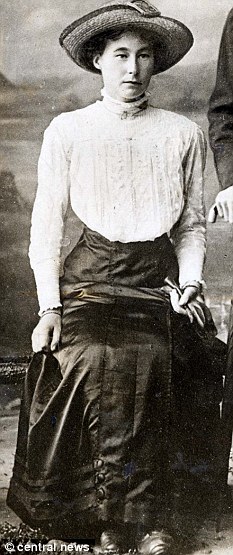
Next came Alice Burnham, a nurse he met in Liverpool. They married in 1913, spent their honeymoon in Blackpool, and rented a small flat. Within weeks, Alice was found drowned in the bath under the same bizarre circumstances. Once again, no bruises, no evidence of foul play – just another tragic young bride claimed by misfortune. Smith walked away with her jewelry and a tidy inheritance.

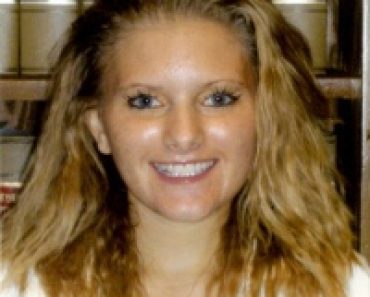
Margaret Lofty Photo

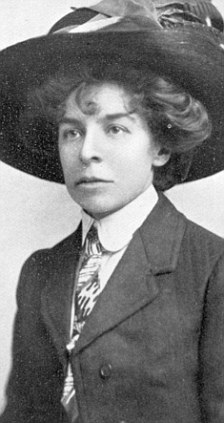
In December 1914, the pattern repeated. Smith married Margaret Lofty, a cheerful 38-year-old woman who had recently come into a small inheritance. A day after taking out a life insurance policy naming her new husband as beneficiary, she was found dead in her bath at their Highgate flat. Smith feigned grief but wasted no time in contacting the insurance office.

The Letter

Smith likely believed he’d never be caught. The coroner’s verdicts had favored him, and each time he walked away richer and free. But his luck ended with a letter written in January 1915 to Detective Inspector Arthur Neil of Scotland Yard. The author, Joseph Crossley, a boardinghouse owner in Blackpool, had noticed the eerie similarities between two newspaper clippings – one describing the drowning of Margaret Lofty, the other detailing the death of Alice Burnham. Both women had died in the bath; both had newlywed husbands; both men looked suspiciously alike.

Detective Neil opened a formal investigation. He began tracing the names, the addresses, the marriage records. It wasn’t long before the aliases – George Smith, Henry Williams, John Lloyd – began to converge. Witnesses identified the same man, the same smooth voice, the same false charm.

George Smith Arrested

When the police arrested George Joseph Smith on February 8, 1915, he still claimed innocence. But investigators had already uncovered his web of deceit – a trail of forged documents, insurance policies, and marriage certificates stretching back nearly two decades.

During his trial at the Old Bailey, prosecutors focused on the murder of Bessie Mundy, presenting it as a “test case” to demonstrate the method and motive behind all three deaths. The famed forensic pathologist Sir Bernard Spilsbury conducted a reenactment before the jury, showing how Smith could drown an unsuspecting woman in seconds by pulling her legs sharply while she lay in the tub – causing instant submersion and death without signs of struggle.

The demonstration left no doubt. On July 1, 1915, Smith was convicted of murder. Six weeks later, on August 13, 1915, he was hanged at Maidstone Prison.

For all the headlines about the “Brides in the Bath,” most of Smith’s victims never drowned. They were drained – financially, emotionally, completely. The baths were simply his final flourish, the grand deception of a man who viewed women not as partners but as opportunities. His case became a milestone in forensic science and legal precedent, proving that patterns of behavior could expose a killer even when physical evidence seemed thin.


📚 Additional Resources

📚 Further Reading / Watching

This site contains affiliate links. We may, at no cost to you, receive a commission for purchases made through these links. Thank you for your support.


JOIN US

Fireside Crime Stories

If the written word keeps you leaning forward into the shadows, then you’ll love settling back by the fire with us. On our YouTube channel, these same haunting stories are told in a softer voice – woven with stormlight, fire crackle, and quiet piano. Perfect for late-night listening, or for those who want to drift into slumber carried by true crime whispers instead of headlines. Step into the firelight, and join us there.

FIRESIDE CRIME STORIES


👉Related WickedWe Cases

This page is part of the WickedWe True Crime Archive – a resource for researchers, students, and true crime enthusiasts seeking verified facts, case records, and deeper historical context.