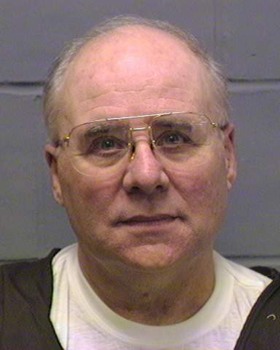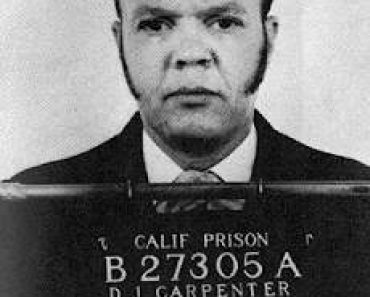
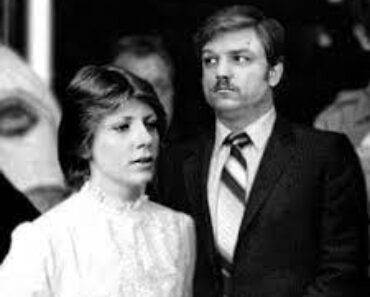

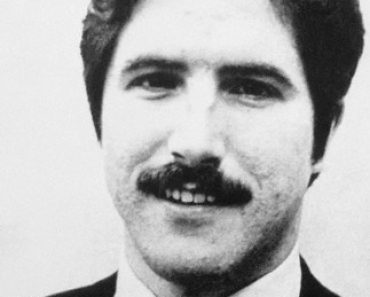
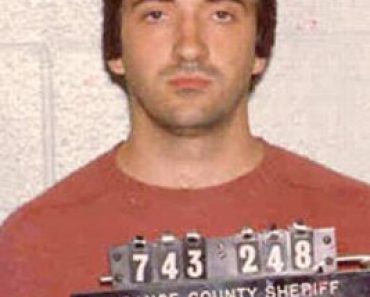
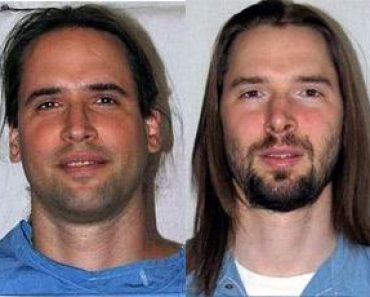

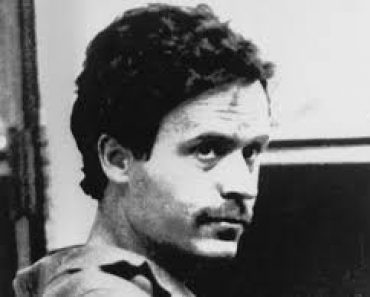








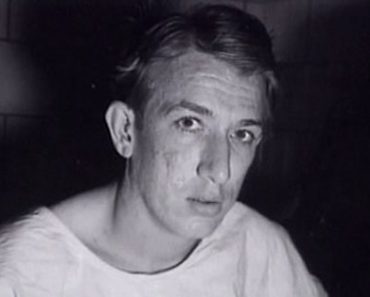



















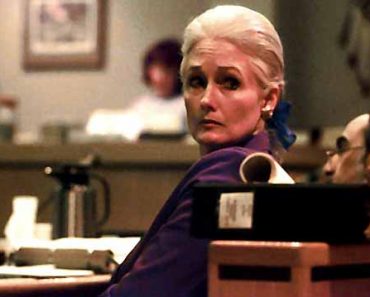




John Robinson, the smooth-talking Kansas con man later branded “the Internet’s first serial killer,” hid the bodies of women he met through ads and online BDSM chatrooms in industrial barrels on his farm and in rented storage units across Kansas and Missouri.
American Serial Killer
Last updated: November 10, 2025
John Robinson | Bodies In The Barrels | Internet Serial Killer
- Full Name: John Edward Robinson Sr.
- Known As: “The Internet’s First Serial Killer”; “Internet Slavemaster” (online handle “Slavemaster”)
- Born: December 27, 1943 – Cicero, Illinois, USA
- Primary Residence/Base: Olathe / Kansas City area, Kansas
- Occupation: Con man and scam “entrepreneur”; self-styled businessman running fake companies, charities, and job-placement schemes
- Crime Type: Serial killer, kidnapper, rapist, forger, fraudster
- Years Active (Known): 1984–2000
- Known / Admitted Victims: At least 8 women murdered in Kansas and Missouri; investigators believe there may be additional, unidentified victims
- Victim Profile: Adult women in vulnerable situations—runaways, single mothers, women seeking jobs, and women drawn into BDSM “slave” relationships online
- Method of Killing: Blunt force trauma to the head in many cases, followed by concealment of bodies
- Body Disposal: Five victims sealed in 55-gallon chemical barrels—two on his La Cygne, Kansas property and three in a rented storage unit in Raymore, Missouri; others disappeared and are presumed murdered
- Luring Methods: Fake job offers, sham charities, babysitting or travel positions, and sadomasochistic “master–slave” contracts; later used early Internet chatrooms and BDSM forums to groom victims
- Apprehended: June 2, 2000, after a sexual battery complaint and theft report gave investigators probable cause to search his farm and storage units
- Key Convictions (Kansas, 2002–2003): Capital murder (2 counts), first-degree murder (1 count), aggravated kidnapping, interference with parental custody, theft
- Key Convictions (Missouri, 2003 plea): Five counts of first-degree murder in exchange for multiple life sentences and avoiding a Missouri death penalty trial
- Sentence:
- Kansas – Death sentence for two capital murders, plus additional terms for related crimes
- Missouri – Multiple life sentences without the possibility of parole
- Current Status: Remains on death row at El Dorado Correctional Facility in Kansas; some convictions were later vacated on technical grounds, but his death sentence was upheld on appeal
Classification & Characteristics
- John Edward Robinson is best classified as an organized, power–control serial killer whose violence grew out of a long career as a con man, sexual predator, and manipulator. For years before the bodies in the barrels were found, he was already targeting vulnerable women with fake job offers, bogus charities, and promises of a better life. The picture that emerges is not of a man who suddenly snapped, but of someone who routinely groomed, isolated, and exploited women until some of them simply never came back—victims folded into a double life he worked hard to keep hidden.
- Criminologically, Robinson fits the mold of a predatory, sexually sadistic offender who blended financial fraud with lethal violence. His victims were often single mothers, runaways, or women looking for work or adventure, funneled through fraudulent “employment,” travel, or BDSM “slave” contracts. Once he had control, he could assault, kill, and dispose of them with chilling efficiency, sealing multiple bodies in 55-gallon barrels and hiding them on his property or in storage units. In that framework, the discovery of the barrels was not an aberration but the inevitable endpoint of a pattern—one where fraud, coercion, and sexual domination escalated into serial homicide.
- Psychologically, the public record on Robinson emphasizes manipulation, deceit, and an appetite for control rather than any single dramatic break from reality. He cultivated the persona of a respectable family man and businessman while at the same time forging documents, stealing benefits, and drafting “slave contracts” that turned real women into disposable property in his mind. Unlike purely impulsive offenders, Robinson planned, groomed, and covered his tracks, using the early Internet as just another hunting ground. That blend of charm, calculation, and cruelty is why investigators and profilers continue to place him firmly among the most dangerous type of serial predator: an organized killer who sees people—especially vulnerable women—as resources to exploit, silence, and discard the moment they become inconvenient.
Timeline of the John Robinson Case →
- December 27, 1943 – John Edward Robinson is born in Cicero, Illinois. Wikipedia
- 1964–1979 – Moves to the Kansas City area, marries Nancy Jo, has four children, and piles up fraud and embezzlement convictions while posing as a respectable family man and community volunteer. Wikipedia
- September 1, 1984 – Nineteen-year-old Paula Godfrey disappears after Robinson picks her up for a supposed business trip to San Antonio. A typed letter later tells her family she is “OK,” and the missing-persons case goes cold. Wikipedia+1
- January 10, 1985 – Using the alias “John Osborne,” Robinson picks up 19-year-old Lisa Stasi and her 4-month-old daughter Tiffany from a Kansas motel; they are never seen again. Tiffany is secretly given to Robinson’s brother in an illegal, forged “adoption.” Wikipedia+2Biography+2
- June 15, 1987 – Catherine Clampitt leaves for a meeting with Robinson about a travel job and vanishes; her missing-person case remains unsolved. Wikipedia+1
- 1987–1993 – Robinson serves time in Kansas and Missouri prisons for fraud. He meets prison librarian Beverly Bonner, who will later follow him after his release. Wikipedia
- January 1994 – Upon Robinson’s release, Beverly Bonner leaves her husband and moves to Kansas to work for him. She disappears soon afterward, while Robinson quietly redirects and cashes her alimony checks for years. Wikipedia+1
- 1994 – Sheila Faith and her 15-year-old disabled daughter Debbie move from California to Kansas City after Robinson promises a job and help with Debbie’s medical bills. Both disappear; Robinson begins cashing Sheila’s pension and benefits. Wikipedia+1
- 1999 – Polish immigrant Izabela Lewicka moves to Kansas City to live with Robinson, enters into a detailed “slave contract,” and soon vanishes. He later tells people she was caught with drugs and deported. Wikipedia+2investigationdiscovery.com+2
- March 2000 – Michigan nurse Suzette Trouten moves to Kansas to become Robinson’s traveling submissive. Her family later receives oddly formal, typed letters that appear to be sent from overseas, but all bear Kansas City postmarks; contact eventually stops. Wikipedia+2investigationdiscovery.com+2
- June 2, 2000 – Investigators arrest Robinson at his farm near La Cygne, Kansas, after a woman reports sexual battery and another accuses him of stealing sex toys—charges that give police the probable cause they need for search warrants. Wikipedia+2investigationdiscovery.com+2
- June 2000 – Searches of Robinson’s property and a rented storage unit uncover five bodies in chemical barrels: Izabela Lewicka and Suzette Trouten on the Kansas farm; Beverly Bonner, Sheila Faith, and Debbie Faith in a Raymore, Missouri storage unit. All were killed by blunt force trauma. Wikipedia+2investigationdiscovery.com+2
- 2002 – In what becomes the longest criminal trial in Kansas history, Robinson is tried for the murders of Suzette Trouten, Izabela Lewicka, and Lisa Stasi, plus kidnapping, theft, and interference with parental custody. He is convicted on all counts and receives two death sentences (Trouten and Lewicka) and a life term for Stasi, along with additional prison time. Wikipedia
- October 2003 – Facing capital charges in Missouri, Robinson enters a tightly scripted plea acknowledging that prosecutors have enough evidence to convict him of capital murder for the deaths of Paula Godfrey, Catherine Clampitt, Beverly Bonner, and Sheila and Debbie Faith. He receives five life sentences without the possibility of parole. Wikipedia+2LJWorld.com+2
- 2005–2007 – Nancy Robinson divorces him after 41 years of marriage. Heather Robinson (born Tiffany Stasi) files civil suits over her illegal adoption and reaches settlements, and a court order bars Robinson from profiting from books or films about his crimes. Wikipedia+1
- November 6, 2015 – The Kansas Supreme Court vacates two of Robinson’s capital-murder convictions on technical grounds but upholds his conviction and death sentence for the murder of Izabela Lewicka, leaving him on death row. Wikipedia
- 2025 – Robinson remains on Kansas death row at El Dorado Correctional Facility and is still widely described as one of the first serial killers to use the Internet to lure and control victims.
→ Quick Answers
- Who is John Edward Robinson?
John Edward Robinson Sr. is a Kansas con man and sexual predator turned serial killer who used fake jobs, sham charities, and BDSM “slave” contracts to lure vulnerable women he later robbed, assaulted, and murdered. - Why is he called “the Internet’s first serial killer”?
He was one of the earliest known killers to use online chatrooms and BDSM forums to groom, control, and arrange meetings with victims, earning the media label “the Internet’s first serial killer.” - How many victims did he have?
He is convicted or acknowledged in connection with at least eight murdered women, and investigators believe there may be additional, never-identified victims. - How did Robinson typically lure his victims?
He promised high-paying jobs, free housing, or financial help, or offered “slave” relationships through BDSM ads, then isolated women from their support systems before they vanished. - How did he kill and dispose of his victims?
Many victims are believed to have died by blunt force trauma; five were found sealed in 55-gallon chemical barrels on his La Cygne, Kansas farm and in a Raymore, Missouri storage unit. - When was he arrested?
Robinson was arrested on June 2, 2000, after complaints of sexual assault and theft led investigators to his farm and storage units, where the bodies in the barrels were discovered. - What was he convicted of in Kansas?
A Kansas jury convicted him of multiple counts including capital murder, first-degree murder, aggravated kidnapping, theft, and interference with parental custody. - What happened in Missouri?
To avoid the death penalty there, he entered a carefully structured plea that acknowledged prosecutors had enough evidence to convict him of five additional murders, receiving multiple life sentences without parole. - What is his sentence overall?
Robinson currently has a Kansas death sentence plus stacked life terms from both Kansas and Missouri, ensuring he will never be released. - Where is John Edward Robinson now?
He remains on death row at El Dorado Correctional Facility in Kansas, still widely cited as a chilling early example of how predators can weaponize the Internet to hunt for victims.
Case Summary
Between the mid-1980s and 2000, Kansas con man John Edward Robinson Sr. lured vulnerable women with fake jobs, sham charities, and online BDSM “slave” contracts before robbing, assaulting, and murdering them, ultimately hiding multiple victims in 55-gallon barrels on his La Cygne farm and in a Missouri storage unit. Arrested in 2000 after complaints of sexual assault and theft led investigators to those barrels, he was later convicted of capital murder and related charges in Kansas, entered additional murder pleas in Missouri, and now sits on Kansas death row, often cited as “the Internet’s first serial killer.”
🕊️Victims of Harold Wayne Nichols
- John Edward Robinson is officially tied to eight murdered women across Kansas and Missouri, with three still missing and presumed dead and five recovered from chemical barrels on his property and in a rented storage unit. Investigators have long said the true victim count may be higher, given how many of Robinson’s “employees” and online partners vanished without clear timelines or paper trails. Wikipedia
- 👉 Early Missing Women (Bodies Never Found)
- Paula Guylene Godfrey, 19, was hired in 1984 as a sales representative for Robinson’s sham consulting firm, Equi II. She told her family he had arranged a business trip and training in San Antonio, Texas. On September 1, 1984, Robinson picked her up to drive her to the airport; she was never seen again. Days later, her parents received a typed letter in Paula’s name saying she was “OK” and didn’t want contact – language that convinced police to close the case, even though no trace of her has ever been found. Wikipedia
- In January 1985, 19-year-old Lisa Stasi and her four-month-old daughter Tiffany met Robinson – then using the alias “John Osborne” – through a Kansas City women’s shelter. He promised Lisa housing, job training, and help getting her GED through a supposed “Kansas City Outreach Program” and moved her into a motel. On January 10, Lisa and Tiffany left with Robinson and vanished. Within days, he illegally handed Tiffany over to his brother and sister-in-law, collecting thousands in fake “legal fees” and providing forged adoption papers. Lisa’s body has never been found, but Robinson was later convicted of her murder. Wikipedia
- Catherine Frances Clampitt, 27, left her child with her parents in Wichita Falls, Texas, and moved to the Kansas City area in 1987, answering an Equi II ad that promised travel and a new wardrobe. She began staying in hotels near Robinson’s office while supposedly training. On June 15, 1987, she headed out to meet Robinson for a business appointment and was never seen again. Her missing-person case remains open, but Robinson later acknowledged Missouri had enough evidence to convict him of her murder as part of his plea deal. Wikipedia
- 👉 Barrel Victims (Bodies Recovered)
- Beverly Bonner, 49, was a prison librarian who met Robinson while he was serving time on fraud charges. After his release in January 1994, she left her physician husband to work for Robinson in Kansas. Her family stopped hearing from her but continued forwarding her alimony checks, which Robinson quietly redirected and cashed for years. In 2000, her body was found stuffed into a chemical drum in a Missouri storage unit he rented. Wikipedia
- Sheila Faith, 45, and her 15-year-old daughter, Debbie Faith, a wheelchair user due to spina bifida, were drawn into Robinson’s orbit through early online contact. Posing as a wealthy businessman and philanthropist, he offered to pay Debbie’s medical expenses and give Sheila a job. In 1994, they moved from Fullerton, California, to the Kansas City area and disappeared almost immediately. For years afterwards, Robinson cashed Sheila’s disability and pension checks. Their remains were later identified in two of the drums stored in that same Missouri facility. Wikipedia
- In 1999, 21-year-old Polish immigrant Izabela Lewicka relocated from Indiana to Kansas City after Robinson offered her a job and a BDSM “bondage relationship.” He gave her an engagement ring and took her to pay for a marriage license that was never picked up. She signed an extensive “slave contract” granting him control over her life and finances, then vanished later that year; Robinson told others she had been deported after a drug arrest. Her body was found in 2000 inside a chemical drum on his La Cygne, Kansas farm. Wikipedia
- Suzette Trouten, 27, a licensed practical nurse from Michigan, moved to Kansas in March 2000 to travel with Robinson as his submissive sex partner and “personal assistant.” Her mother soon began receiving stiff, typed letters supposedly from Suzette, mailed with Kansas City postmarks even when they claimed to be from overseas – letters completely unlike her normal writing. When all contact stopped, concerns grew; a search of Robinson’s farm after his June 2000 arrest uncovered Suzette’s body in another chemical barrel alongside Izabela’s. Wikipedia
→ FAQs
John Edward Robinson Sr. is a Kansas con man and sexual predator turned serial killer who spent years luring vulnerable women with fake jobs, sham charities, and BDSM “slave” contracts. Behind the façade of a family man and businessman, he exploited, assaulted, and murdered women he believed no one would miss.
Robinson was one of the earliest known killers to use online chatrooms and BDSM forums to hunt for victims. Using the handle “Slavemaster,” he groomed women for supposed “slave” relationships, then used those connections to isolate them, control them, and make them disappear, which led the media to brand him “the Internet’s first serial killer.”
He is officially tied to at least eight murdered women in Kansas and Missouri, with five of them found sealed in 55-gallon chemical barrels on his farm and in a storage unit. Three early victims – Paula Godfrey, Lisa Stasi, and Catherine Clampitt – have never been found and are presumed dead, and investigators suspect there may be additional, unidentified victims.
John Edward Robinson remains alive and incarcerated on Kansas death row, held at El Dorado Correctional Facility. Even after some legal challenges adjusted parts of his case, his death sentence and stacked life terms ensure he will never be released.
John Robinson | Bodies In The Barrels
👉 The Story
The Internet Serial Killer
John Edward Robinson looked, at first glance, like the kind of man small towns are built around. He was a husband, a father, a “businessman” who talked about investments, job opportunities, and charities. He showed up at church, joined civic groups, and presented himself as a man who helped people get on their feet. Underneath that respectable Kansas exterior, however, was a practiced con man whose entire adult life was a pattern of fraud, manipulation, and predation. When that pattern finally turned lethal, it would leave a trail of missing women, forged paperwork, and bodies sealed in industrial barrels.
By the early 1980s, Robinson had already been in and out of courtrooms for embezzlement and deception, drifting from scheme to scheme as he tried to project success he didn’t actually possess. He launched a consulting company called Equi II, one of several paper “businesses” he used to recruit employees and investors. On paper, Equi II offered sales jobs and travel opportunities. In reality, it became a pipeline for vulnerable women—young, hopeful, often financially strapped—who believed Robinson’s promises and stepped willingly into his orbit, never realizing he saw them as expendable.
One of the first was nineteen-year-old Paula Godfrey, hired in 1984 as a sales representative. Robinson told her family he had arranged a training trip to San Antonio and picked Paula up himself under the guise of driving her to the airport. When she failed to return, her parents reported her missing. Days later, a typed letter arrived claiming Paula was fine and wanted no contact. The language was stiff, formal, and suspicious, but at the time it was enough for authorities to close her case. Godfrey was never seen again. The paper trail Robinson had created—phony business, typed letter, a story about travel—was his first real rehearsal for how to make a woman disappear.
In January 1985, nineteen-year-old Lisa Stasi and her four-month-old daughter Tiffany met Robinson under another of his aliases, “John Osborne.” Lisa was struggling: young, newly separated, trying to stabilize her life. Robinson presented himself as a benefactor connected to a “Kansas City Outreach Program.” He promised an apartment, job training, and help with childcare, then moved Lisa and Tiffany into a motel to “get them started.” On January 10th, he took them away in his car. They were never seen again. Within days, Tiffany reappeared not in her mother’s arms but in the home of Robinson’s brother and sister-in-law, along with forged “adoption” paperwork and a story that the baby’s mother had willingly given her up. For years, that lie held. Lisa’s body has never been found.
Robinson’s pattern continued with eerie sameness. In 1987, twenty-seven-year-old Catherine Clampitt left her child with relatives and moved to the Kansas City area in search of a fresh start. An ad from Equi II offered travel, good pay, and new clothes; Robinson supposedly had everything arranged. Catherine began training, staying in hotels near his office, and then one day simply didn’t come back. Like Paula and Lisa, she vanished into a gap in the system—missing, but without a body or a crime scene that anyone could see.
Even prison time didn’t stop him; it only gave him new material. In the late 1980s, Robinson served sentences in Kansas and Missouri for fraud, working in the prison environment where he met librarian Beverly Bonner. After his release in 1994, Beverly left her physician husband to work for him in Kansas. Then her letters stopped. Her family continued forwarding her alimony checks, and Robinson quietly took them, month after month, year after year, cashing in on a woman who was already dead. At about the same time, he contacted single mother Sheila Faith and her disabled teenage daughter Debbie, promising housing and help with medical bills if they moved from California to Kansas City. They did—and then they too disappeared, while their benefits and pension payments kept flowing into Robinson’s hands.
By the late 1990s, the Internet offered him a new hunting ground. Robinson began frequenting BDSM chatrooms and personal-ad sites, presenting himself as a dominant “master” under the handle “Slavemaster.” For women who were curious about BDSM or seeking unconventional relationships, he could be charming and persuasive. Twenty-one-year-old Polish immigrant Izabela Lewicka moved from Indiana to Kansas City after he promised her work and a committed relationship. He gave her a ring, took her to apply for a marriage license, and had her sign an elaborate “slave contract” giving him control over her movements and finances. Then Izabela vanished. Robinson told people she had been caught with drugs and deported.
His last known victim, Michigan nurse Suzette Trouten, answered his online ad in 1999–2000. Robinson described himself as a wealthy businessman who needed a traveling companion and submissive partner; Suzette saw it as a chance to see the world and earn money while leaning into a consensual kink dynamic. She moved to Kansas in March 2000. Afterward, her mother started receiving stiff, impersonal, typed letters claiming Suzette was traveling abroad. The letters were supposedly mailed from Europe or elsewhere overseas, but the postmarks and tone were wrong. Then the letters stopped altogether.
While Robinson was refining the script he used on victims, he was also leaving behind a growing number of angry, frightened survivors—women he’d assaulted, swindled, or threatened who lived to report him. In early June 2000, one accused him of sexual battery. Another accused him of stealing sex toys and equipment. Those two complaints, on their face, looked minor compared to what he had really done, but they gave detectives something they badly needed: probable cause to search his property and his storage units.
What they found turned a fraud case into a horror story. On Robinson’s farm near La Cygne, Kansas, investigators opened two fifty-five-gallon chemical barrels and found the bodies of Izabela Lewicka and Suzette Trouten, killed by blunt force trauma and sealed inside. In a rented storage unit in Raymore, Missouri, three more barrels held the remains of Beverly Bonner, Sheila Faith, and Debbie Faith. The missing-persons reports that had trickled in over the past decade suddenly converged in one place: inside drums that had sat quietly while Robinson played grandfather, businessman, and “pillar of the community.”
Once the barrels were found, the rest of the case gathered speed. Detectives revisited the earlier disappearances of Paula Godfrey, Lisa Stasi, and Catherine Clampitt, drawing lines between forged letters, fake companies, and the same man at the center of every story. The adopted baby once known as Tiffany Stasi, now grown up as Heather, learned that her “adoption” had been arranged by a man arrested as a serial killer and that her biological mother had never simply walked away.
In 2002, after what became the longest criminal trial in Kansas history, a jury convicted John Edward Robinson of capital murder, first-degree murder, aggravated kidnapping, theft, and interference with parental custody. He received two death sentences for the murders of Izabela Lewicka and Suzette Trouten and a life sentence for the murder of Lisa Stasi, along with decades of additional time for the non-capital charges. Missouri prosecutors, holding the evidence of the barrel victims, prepared their own case but ultimately reached a carefully scripted plea agreement: Robinson acknowledged that Missouri had enough evidence to convict him of five more murders, and in return he received multiple life sentences without the possibility of parole, avoiding a second death-penalty trial.
Appeals would later chip at the edges of the Kansas verdicts—two capital murder convictions were vacated on technical grounds—but his death sentence for Lewicka’s murder was upheld, and the overlapping Kansas and Missouri sentences ensure that he will never walk free. As of 2025, Robinson remains on death row at El Dorado Correctional Facility, his name still invoked whenever people talk about predators who use the Internet as a hunting tool. The man who once posed as a helpful boss, a charitable benefactor, and a seductive “master” is now classified in the starkest possible terms: a serial killer who turned jobs, charity, and fantasy into bait, and who treated the women drawn to his promises as disposable cargo to be sealed away in barrels when their usefulness ended.
Legal Status | Paper Trail | John Robinson
- Legally, John Edward Robinson’s story splits between Kansas and Missouri, with Kansas carrying the death sentence and Missouri locking in the backup life terms. After his June 2000 arrest, Kansas prosecutors built a sweeping case around three core victims—Lisa Stasi, Izabela Lewicka, and Suzette Trouten—plus the related kidnapping, custody interference, and theft charges tied to Stasi’s baby. In 2002, after what became the longest criminal trial in Kansas history, a Johnson County jury convicted Robinson on all counts. In early 2003, the court sentenced him to death for the murders of Lewicka and Trouten, imposed a life term for Stasi’s murder (which predated Kansas’s modern death-penalty statute), and stacked additional prison time for kidnapping and theft.
- Meanwhile, Missouri held the bodies from the barrels in Raymore—Beverly Bonner, Sheila Faith, and her daughter Debbie—and was preparing its own capital case. Rather than risk a second death-penalty trial, Robinson entered a carefully scripted plea in October 2003 that acknowledged prosecutors had enough evidence to convict him of capital murder for five additional victims (Bonner, the Faiths, and two early missing women, Paula Godfrey and Catherine Clampitt). In exchange, Missouri dropped its push for execution and Robinson received five life sentences without the possibility of parole, effectively guaranteeing that even if something happened to his Kansas death sentence, he would never leave prison.
- The most important appellate chapter came more than a decade later. On November 6, 2015, the Kansas Supreme Court issued a 400-plus-page opinion in State v. Robinson. The court threw out two of his capital-murder convictions and one first-degree murder conviction on technical grounds, finding that he had effectively been punished twice for the same underlying conduct. But the justices upheld his remaining capital-murder conviction for the killing of Izabela Lewicka and affirmed the death sentence attached to it. That ruling was notable in Kansas history: it marked the first time the state’s high court had actually upheld a death sentence since capital punishment was reinstated in 1994.
- In the years since, Robinson has continued to file petitions and collateral attacks on his convictions, including civil actions and renewed bids for a new trial or sentencing relief. None have succeeded. As of 2025, he remains on death row at El Dorado Correctional Facility in Kansas, now in his eighties, with a Kansas death sentence layered over multiple Missouri life-without-parole terms. There is no active execution date on the calendar, but every realistic legal path still leads to the same place: John Edward Robinson will die in prison, whether under a formal death warrant or simply of old age behind the walls that finally contained him.
📚 Additional Resources
- 📘 Overview / Core Facts
- John Edward Robinson – Wikipedia – concise summary of his life, known victims, barrels, convictions in Kansas and Missouri, and current death row status.
- ⚖️ Court & Legal Documents
- State v. Robinson – Kansas Supreme Court (official opinion) – 2015 decision that vacated some counts but upheld his death sentence for Izabela Lewicka.
- STATE v. ROBINSON – FindLaw – readable version of the same Kansas Supreme Court decision, easier to skim for quotes and dates.
- 🏛️ Current Status / Heather Robinson
- What Happened to Serial Killer John Robinson and His Niece Heather Robinson? – Biography – up-to-date (2025) piece confirming he remains on Kansas death row and detailing Heather’s story and the Lifetime movie.
- For 15 years he was just Uncle John… – ABC News – longform article on Heather (Tiffany Stasi), the fake adoption, and how she learned the truth.
- 📰 Good Narrative/Background Articles
- The Internet’s First Serial Killer: John Edward Robinson – CrimeFeed / Investigation Discovery – narrative recap focusing on his “Slavemaster” persona and barrel victims.
- Digital Demon: The Story of John Edward Robinson – Medium (Tales From the Underworld) – modern, detailed overview tying together his cons, online predation, and murders.
- Serial Killer J. R. Robinson’s Sinister Alter Ego – Vanity Fair – longform magazine piece about his double life and early Internet hunting.
📚 Further Reading / Watching
- 🎥 TV & Documentary Clips
- “The Deranged Case of Serial Killer John Robinson” – Cold Case Files (A&E / YouTube) – segment on his crimes and the discovery of the barrels.
- “Sole Survivor” – 20/20 segment (ABC / YouTube) – covers the barrel discoveries and Heather’s story; description links to the full 20/20 episode.
- 🎧 Podcasts / Audio Deep Dives
- Timesuck Podcast – Serial Killer John Edward Robinson (YouTube) – long, detailed breakdown of the case with timeline and victim profiles.
- Hitched 2 Homicide – “John Edward Robinson: The Internet’s First Serial Killer” (Spotify) – episode focusing on his Internet grooming and control of victims.
- Terror Bites – “The Internet’s First Serial Killer: John Edward Robinson and the Bodies in Barrels” (Amazon Music) – shorter true-crime audio overview.
Source: Martin Smith |murderpedia | en.wikipedia.org
This site contains affiliate links. We may, at no cost to you, receive a commission for purchases made through these links
JOIN US
Fireside Crime Stories
If the written word keeps you leaning forward into the shadows, then you’ll love settling back by the fire with us. On our YouTube channel, these same haunting stories are told in a softer voice – woven with stormlight, fire crackle, and quiet piano. Perfect for late-night listening, or for those who want to drift into slumber carried by true crime whispers instead of headlines. Step into the firelight, and join us there.
Related WickedWe Cases
- John Bunting | Australia’s Worst Serial Killer | Bodies In The Barrels
- Robert Berdella | The Bondage Killer | The Kansas City Butcher
👉 This page is part of the WickedWe True Crime Archive – a resource for researchers, students, and true crime enthusiasts seeking verified facts, case records, and deeper historical context. [Disclaimer→ WickedWe.com is an educational/entertainment column only. No graphic imagery. Victim-respect policy. Nothing herein is legal advice.]
Beyond the Gavel
Roll Card | John Edward Robinson (KS / MO)
Snapshot:
Kansas–Missouri serial killer and lifelong con man who lured at least eight women with fake jobs, sham charities, and BDSM “slave” contracts; bodies found in chemical barrels on a Kansas farm and in a Missouri storage unit.
Jurisdictions:
- Kansas – Johnson County (core capital case)
- Missouri – Cass County (barrel victims / plea)
Sentence:
- Kansas – Death sentence for the murder of Izabela Lewicka, plus additional terms for related crimes.
- Missouri – Five life sentences without the possibility of parole for additional murders.
Custody / Location:
Death row inmate housed at El Dorado Correctional Facility, Kansas Department of Corrections.
Execution Posture (2025):
Death sentence active; no execution date requested or scheduled as of 2025.
Docket Map | Proceedings (Condensed)
2000 – Arrest & Discovery
- June 2, 2000 – Arrested at his La Cygne, Kansas farm after complaints of sexual battery and theft; search warrants lead to discovery of five bodies in chemical barrels (two on the farm, three in a Raymore, Missouri storage unit).
2002–2003 – Kansas Trial & Sentencing
- 2002 – Kansas trial in Johnson County for the murders of Suzette Trouten, Izabela Lewicka, and Lisa Stasi plus kidnapping, theft, and interference with parental custody; jury convicts on all counts after the longest criminal trial in Kansas history.
- 2003 – Court imposes two death sentences (Trouten & Lewicka), a life term for Stasi (pre–death penalty statute), and additional prison time for the non-homicide counts.
2003 – Missouri Plea & LWOP
- October 2003 – In Missouri, enters a carefully scripted plea acknowledging the state has enough evidence to convict him of five murders (Paula Godfrey, Catherine Clampitt, Beverly Bonner, Sheila Faith, Debbie Faith); receives five life-without-parole sentences.
2015 – Kansas Supreme Court Decision
- November 6, 2015 – Kansas Supreme Court issues its decision in State v. Robinson, vacating some overlapping murder counts but upholding the Lewicka capital conviction and death sentence. It is cited as the first death sentence upheld by that court since Kansas reinstated capital punishment in 1994.
2016–2025 – Post-Conviction Landscape
- Subsequent petitions and collateral attacks have not disturbed the remaining death sentence or the Missouri LWOP terms. Robinson remains on death row at El Dorado, with no resentencing or execution date set.
Stay / Warrant / Window
Current Warrant:
- None. There is no active execution warrant or scheduled execution date for John Edward Robinson as of 2025.
Execution Window:
- Not applicable. No formal execution “window” has been opened by Kansas courts or the governor.
Recent Action:
- The last major appellate action was the 2015 Kansas Supreme Court ruling in State v. Robinson, which left his Lewicka death sentence intact. Since then, he has remained in standard death-row status with no public move toward setting a date.
Context – Kansas Death Penalty Practice:
- A 2019 Kansas legislative briefing notes that Robinson’s case is the first (and so far only) modern Kansas death sentence upheld by the state supreme court, and that Kansas has not executed anyone since reinstating capital punishment.
Case File Extras | What the Record Shows
- Longest Criminal Trial in Kansas History:
Robinson’s 2002 Johnson County trial set a state record for length, reflecting the complexity of the evidence: multiple missing women, multi-state barrel recoveries, forged letters, and a fraudulent “adoption.” - Hybrid Kansas–Missouri Lockdown:
The case was structured so that two jurisdictions hold him: Kansas with the death sentence, Missouri with stacked life-without-parole terms from the 2003 plea. Even if his Kansas sentence were somehow reduced, the Missouri LWOP blocks any realistic chance of release. - First Upheld Death Sentence Post–Reinstatement:
The Kansas Supreme Court’s 2015 ruling is now quoted in legal briefs as the first modern Kansas death sentence the court allowed to stand, making State v. Robinson a touchstone in capital-punishment discussions there. - Heather Robinson’s Ongoing Search:
Heather (born Tiffany Stasi) learned at fifteen that the man she knew as “Uncle John” was a serial killer and that her biological mother Lisa was one of his victims. Her continuing search for her mother’s remains—and the emotional fallout of the forged adoption—are central to Biography’s 2025 update and Lifetime’s Kidnapped by a Killer: The Heather Robinson Story.
Source Pack – John Edward Robinson
Legal / Official
- State v. Robinson – Kansas Supreme Court (2015) – Full opinion on his Kansas convictions and death sentence.
- STATE v. ROBINSON – FindLaw Summary – Easier-to-read version of the same decision.
- Kansas DOC – Capital Punishment Information – Official list noting Robinson as a capital inmate at El Dorado.
Background & Status
- John Edward Robinson – Wikipedia – Solid overview of his crimes, victims, sentences, and current location.
- What Happened to Serial Killer John Robinson and His Niece Heather Robinson? – Biography – Confirms his 2025 death-row status and focuses on Heather’s story.
Narrative / Journalism
- The Dangerous Truth About Serial Killer and Con Man John Robinson – ABC News – Longform piece tying together his con games, barrel victims, and Heather’s discovery.
- Serial murderer admits to killing 5 more women – Lawrence Journal-World – Local coverage of his 2003 Missouri plea to five murders and the resulting LWOP sentences.
Media & Impact
- Kidnapped by a Killer: The Heather Robinson Story – Lifetime coverage – TV listing that explains the film’s connection to Robinson and Heather.
- Heather Robinson’s shocking true story – CBS/ABC local write-up – Article on the Lifetime movie and the real case.