



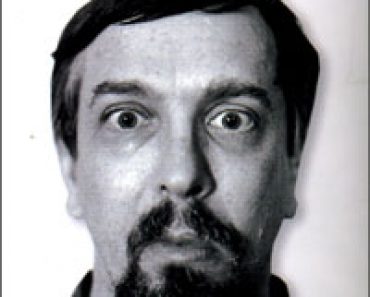
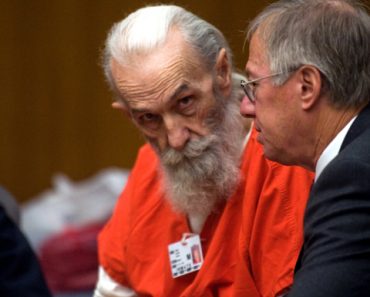
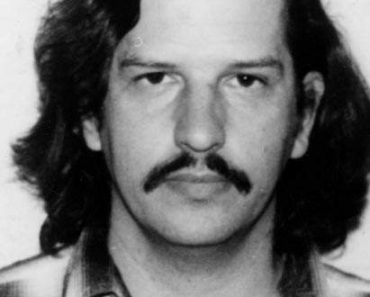
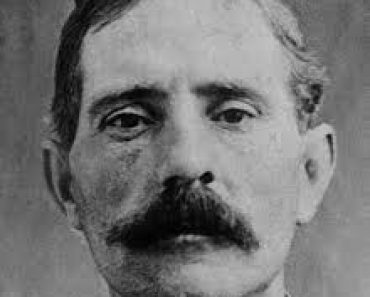



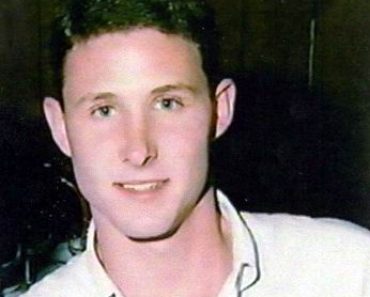





Ian David Long was the 28-year-old Marine Corps veteran who walked into the Borderline Bar & Grill in Thousand Oaks, California, on the night of November 7, 2018, and opened fire during a packed college country night, killing 12 people and injuring others before dying of a self-inflicted gunshot wound.

American Mass Murderer
Ian David Long | The Borderline
Bar & Grill Massacre
Last Updated November 20,2025
- Full Name: Ian David Long
- Born: March 27, 1990 – Orange, California, USA Wikipedia
- Age at Time of Crime: 28
- Date of Crime: November 7, 2018
- Location: Borderline Bar & Grill, Thousand Oaks, California (college country-night event) Wikipedia+1
- Type of Crime: Mass shooting, mass murder, murder-suicide
- Fatalities: 13 total – 12 victims (11 civilians + Ventura County Sheriff’s Sgt. Ron Helus) and the perpetrator Wikipedia+1
- Injuries: 16 injured (one by gunfire, the rest during escape and chaos) Wikipedia+1
- Weapon Used: .45-caliber Glock 21SF semi-automatic pistol with a tactical light/laser and multiple high-capacity magazines; smoke devices; folding knife Wikipedia+1
- Status: Deceased at the scene (self-inflicted gunshot; no criminal trial) Wikipedia+1
- Notable Factors: U.S. Marine Corps veteran; prior contact with law enforcement and a mobile mental-health crisis team months before the attack; no single, definitive motive established. toacorn.com+3ABC7 New York+3nami.org+
Classification & Characteristics
Long is classified as a mass shooter / mass murderer who carried out a single, planned attack in a crowded entertainment venue and then died by suicide at the scene. He used a legally purchased handgun equipped with a tactical light and carried multiple magazines that exceeded California’s capacity limits. Witnesses and investigators described him as moving methodically through the bar, firing at staff and patrons while deploying smoke to deepen confusion and fear. Wikipedia+2vcdistrictattorney.com+2
He was a Marine Corps veteran who had served in Afghanistan, and people around him later described possible PTSD symptoms, angry outbursts, and escalating isolation. Months before the shooting, deputies and a crisis-response clinician evaluated him after an incident at home but chose not to place him on an involuntary psychiatric hold, concluding he did not meet the legal standard for immediate danger. toacorn.com+3ABC7 New York+3KATV+3 Later reviews of his writings and digital activity suggested resentment toward civilians and young college-age crowds, but investigators ultimately found no clear manifesto or single stated motive. Wikipedia+1
Timeline of the Ian David Long Case →
- March 27, 1990 – Early life
- Ian David Long is born in Orange, California. He later moves with his mother to Newbury Park in Ventura County. Wikipedia+1
- 2008–2013 – Military service
- Long enlists in the U.S. Marine Corps, serving as a machine gunner and deploying to Afghanistan from late 2010 to mid-2011. He receives several routine service awards and leaves the Marines as a corporal. ABC7 New York+1
- Post-deployment – College & growing strain
- After returning home, he attends Cal State Northridge to study athletic training. Roommates and acquaintances later describe shifts in his behavior, including anxiety, agitation, and social withdrawal, though nothing that leads to sustained treatment or intervention. KQED+2LAist+2
- April 2018 – Mental-health call at home
- Deputies respond to a disturbance at Long’s home in Newbury Park. Concerned about his erratic behavior and possible PTSD, they summon a county mobile crisis-response team. Clinicians evaluate him but decline to place him on a 72-hour involuntary hold (“5150”), concluding he does not meet the legal threshold for immediate danger to self or others. nami.org+2Los Angeles Times+2
- November 7, 2018, ~11:18 p.m. – The attack begins
- Long arrives at Borderline Bar & Grill, shoots a security guard standing outside, and then opens fire inside the bar. He deploys smoke devices, fires dozens of rounds, and targets both staff and patrons as hundreds attempt to flee or hide. Wikipedia+2The Washington Post+2
- ~11:24–11:26 p.m. – Law enforcement entry
- Sgt. Ron Helus and two CHP officers enter the bar. An intense exchange of gunfire ensues near the entryway; Helus is struck multiple times. Later ballistics show that while Long shot him several times, the ultimately fatal shot came from the CHP officer’s rifle amid the chaos. vcdistrictattorney.com+2Police1+2
- ~11:38 p.m. – Shooter down
- After gunfire stops, tactical units clear the building and find Long dead from a self-inflicted gunshot wound in an office area. The scale of the casualties quickly becomes clear: 12 victims dead, many more injured, and a community devastated. Wikipedia+2KBZK News+2
- 2019–2021 – Investigations & motive review
- The Ventura County Sheriff’s Office, FBI, and other agencies conduct extensive investigations. An official report and subsequent media coverage describe Long’s history, weapons, and movements inside the bar. Investigators identify resentment toward civilians and college-age crowds, but no single definitive motive or co-conspirator. The Washington Post+3vcdistrictattorney.com+3Federal Bureau of Investigation+3
- 2020–2024 – Records litigation & public-records battles
- News organizations sue for access to 911 recordings, body-camera video, and later autopsy records. Families of victims, citing privacy and fear of copycat violence, push back against broad disclosure. Court rulings eventually order the release of selected audio and video, while litigation over autopsy access continues. VC Star+4Los Angeles Times+4Los Angeles Times+4
- Ongoing – Memorials & policy responses
- Annual remembrances at the Borderline Healing Garden, campus observances, and state announcements of victim-compensation resources continue. Ventura County establishes a Task Force on Mental Health & Safety to study system gaps and recommend ways to reduce the risk and impact of future mass shootings. CBS News+2CA Victim Compensation Board+2
Case Summary
On the night of November 7, 2018, Borderline Bar & Grill was hosting its regular College Country Night, drawing students and young adults from multiple nearby universities. Around 11:18 p.m., Ian David Long arrived armed with a .45-caliber Glock pistol, shot a security guard outside, stepped through the front door, and immediately began firing on staff and patrons inside. Witnesses reported that he tossed smoke devices, shouted very little if anything, and moved through the bar as panicked patrons tried to hide under tables, behind the pool table, and in restrooms or storage areas. Wikipedia+2The Washington Post+2
Within minutes, 911 calls flooded in. Ventura County Sheriff’s Sgt. Ron Helus and two California Highway Patrol officers were among the first to reach the scene. They entered the darkened bar and were met by Long’s gunfire; Helus was struck multiple times, including a fatal round later determined to have been fired accidentally by one of the CHP officers during the chaotic exchange. Long retreated deeper into the bar and ultimately died of a self-inflicted gunshot wound as additional law enforcement and tactical units converged. By the time the shooting ended, 12 victims lay dead and many others were injured, while the community woke to the overlapping trauma of the massacre and, the very next day, catastrophic wildfires sweeping the region. People.com+4vcdistrictattorney.com+4Police1+4
🕊️Victims of Ian David Long
- Twelve people were killed at Borderline Bar & Grill on November 7, 2018. This section remembers them briefly and respectfully; details come from local reporting and official records. KRTV NEWS Great Falls+4The Week+4VC Star+4
- Sgt. Ron Helus, 54 – A 29-year veteran of the Ventura County Sheriff’s Office and father, killed while responding to the shooting. He entered the bar to confront the gunman and “died a hero,” colleagues said.
- Sean Adler, 48 – A former bouncer and wrestling coach who had recently opened his own coffee shop. He was working security at Borderline that night and is remembered for his big personality and protective presence.
- Cody Coffman, 22 – A protective older brother and devoted baseball fan. Witnesses said he helped others escape before he was killed.
- Alaina Housley, 18 – A Pepperdine University freshman, described by family as kind, smart, and full of promise. She had gone to Borderline with friends for a night of dancing.
- Telemachus “Tel” Orfanos, 27 – A U.S. Navy veteran and survivor of the 2017 Las Vegas Route 91 Harvest festival shooting, only to be killed a year later at Borderline. His mother’s anguished plea for change drew national attention.
- Justin Meek, 23 – A recent California Lutheran University graduate working security at Borderline. He reportedly tried to shield and guide others to safety as the shooting began.
- Daniel Manrique, 33 – A Marine Corps veteran and advocate for fellow veterans, known for his charity work helping returning service members.
- Noel Sparks, 21 – A college student and church volunteer who loved working with children and art; friends remembered her for her faith and gentle spirit.
- Blake Dingman, 21 – A car enthusiast and athlete, often at Borderline with close friends; he died alongside one of them.
- Jacob “Jake” Dunham, 21 – A longtime friend of Blake Dingman, remembered as loyal and easygoing; they were at the bar together that night.
- Kristina Morisette, 20 – A front-desk staffer at Borderline who was known for greeting patrons with a smile; she was one of the youngest victims.
- Mark Meza Jr., 20 – A busser and food-runner at the bar, originally from the Santa Barbara/Carpinteria area, remembered by family and friends as creative and kind, just shy of his 21st birthday.

→ FAQs
Ian David Long was a 28-year-old U.S. Marine Corps veteran from Newbury Park, California. He served in Afghanistan, later attended Cal State Northridge, and lived with his mother at the time of the shooting. Neighbors and acquaintances described him as increasingly withdrawn and volatile in the years before the attack. Wikipedia+2ABC7 New York+2
On November 7, 2018, during a college country-night event, Long arrived at Borderline Bar & Grill around 11:18 p.m., shot a security guard outside, then opened fire inside the bar using a .45-caliber Glock pistol and smoke devices. He killed 12 people, injured many others, and exchanged gunfire with responding officers before dying by suicide inside the building. KBZK News+3Wikipedia+3The Washington Post+3
Long had served in combat and some neighbors and acquaintances believed he struggled with PTSD, though he was never publicly confirmed to have a formal diagnosis. In April 2018, deputies and a mobile crisis-response team evaluated him after a disturbance at his home but decided he did not meet the criteria for involuntary commitment under California’s 5150 law. toacorn.com+3ABC7 New York+3KATV+3
Investigators have not identified a single, definitive motive. Official reports and later coverage note indications of social isolation, anger, and possible resentment toward civilians and college-age crowds, but no manifesto or organized ideology tied to the attack has been confirmed. Wikipedia+2Grokipedia+2
Ian David Long | The Borderline Bar & Grill Massacre
Ian David Long | The Borderline Bar & Grill Massacre
👉 The Story
A Veteran Back Home
Ian David Long grew up in Southern California, the only child of a mother who would later move with him to Newbury Park in Ventura County, a quiet suburb just over the hills from Los Angeles. Neighbors knew him as a kid who loved sports and kept mostly to himself, not as someone who would one day be at the center of a mass-casualty crime scene broadcast around the world.
In 2008, after high school, he enlisted in the U.S. Marine Corps. He trained as a machine gunner, deployed to Afghanistan from late 2010 to mid-2011, and earned a collection of routine medals and service ribbons. Friends and former roommates later described a familiar arc: a young man who left for combat, came back changed, and never quite found his footing again in civilian life.
Cracks in the Surface
After leaving the Marines in 2013, Long enrolled at Cal State Northridge and studied athletic training. People who crossed paths with him there remembered flashes of normalcy—group projects, classes, gym time—but they also recalled a growing edge: irritability, short temper, and a tendency to withdraw. Over time, he stopped going to class and eventually dropped out.
By 2018, Long was living back at his mother’s house in Newbury Park. In April, sheriff’s deputies were called to the home after a neighbor reported shouting and loud crashes. Concerned about his behavior, they brought in a county mobile crisis-response clinician. The evaluator noted agitation and possible PTSD symptoms, but concluded he didn’t meet California’s strict 5150 criteria for involuntary psychiatric detention. He was left at home with his mother, and the incident was closed.
College Country Night
Borderline Bar & Grill was a familiar spot for local students and young adults – country music, line dancing, cheap drinks and themed nights that drew regulars from Pepperdine, Cal Lutheran, Moorpark College and beyond. On the evening of November 7, 2018, it was College Country Night, and the crowd inside was a mix of students, recent grads, and staff who knew many patrons by name.
Shortly after 11 p.m., the bar was in full swing: music up, dance floor busy, servers moving between high-tops and the rail. Outside, security staff watched the parking lot. Inside, a handful of people noticed a man they didn’t recognize – quiet, dressed in dark clothing, watching more than participating. That man was Long. In his vehicle, he had brought a .45-caliber Glock 21 pistol with a tactical light and multiple magazines holding far more rounds than California law allowed.
The First Shots
At around 11:18 p.m., the night fractured. Long approached the entrance, shot and killed security guard Sean Adler, and pushed his way into the bar. As he crossed the threshold, he fired on the cashier and a young woman standing nearby, then turned deeper into the room and began shooting toward the dance floor and bar area. Witnesses later said he said almost nothing – he simply fired, moved, and reloaded.
He tossed smoke devices into the room, darkening and choking the air. Patrons dove under tables, hid behind the pool table, squeezed into restrooms and storage rooms, and smashed windows to escape. Some grabbed friends and strangers alike and pushed them toward exits; others stayed low and prayed the shooter wouldn’t see them. Within minutes, 911 centers were flooded with calls from inside and from frantic relatives watching social media explode.
Chaos, Courage, and Loss
Ventura County Sheriff’s Sgt. Ron Helus was among the first to respond. He’d been on the brink of ending his shift when the calls came in. He radioed that he was heading to Borderline, met two nearby California Highway Patrol officers, and together they entered the darkened building as shots rang out.
Just inside the bar, in near-total darkness and smoke, Helus and a CHP officer came under immediate fire from Long. They moved toward the gunfire; Long fired back. In the chaos, Helus was hit multiple times. Later ballistics work would show that he was struck by rounds from Long’s handgun and by a rifle round fired by the CHP officer – a friendly-fire shot that, according to the district attorney, was ultimately fatal even though the officer’s actions were ruled legally justified.
Elsewhere inside the bar, people were making impossible choices. Some barricaded doors and lay on top of others to shield them. A few, like Justin Meek and Cody Coffman, were later remembered for pushing others toward exits and covering friends as they ran. Survivors would talk for years about glass under their hands, the smell of smoke, country music suddenly cut short, and the disorienting strobe of police lights coming through broken windows.
By around 11:38 p.m., the shooting was over. Long had retreated into an office area and fatally shot himself. When tactical teams cleared the building, they found that he had fired 61 rounds and still had 129 more on his person and in his gear – evidence, investigators said, of how much worse the toll might have been without the rapid law-enforcement response and the chaotic, self-protective actions of those inside.

Aftermath and an Unanswered “Why”
By morning, the names of the 12 victims began to reach the public: Sgt. Ron Helus; students Alaina Housley and Noel Sparks; Navy veteran and Las Vegas-shooting survivor Telemachus “Tel” Orfanos; recent grads, staff, and local regulars who had come for a night of music and left as part of a list no one wanted to read. Families gathered at reunification centers, some receiving the news they feared, others still sitting, sleepless and stunned.
Investigators from the sheriff’s office, the FBI, and the district attorney’s office combed through Long’s digital life, journals, and history. They documented his Marine service, post-deployment struggles, clashes at home, and the April 2018 mental-health call. They found indications of anger, isolation, and possible resentment toward civilians and college students, but no manifesto, no clear political or ideological statement, and no single motive they were willing to call definitive.
Official reports turned the Borderline case into a set of lessons: better radio interoperability, clearer command structure in fast-moving active-shooter events, more robust threat-assessment and mental-health coordination, and long-term support for survivors of mass violence. Meanwhile, families and survivors built their own memorials – a healing garden, scholarships, support networks – to hold the memory of those lost. The “why” behind Ian David Long’s choice may never be neatly answered, but the record of what happened at Borderline, and how a community responded, continues to shape how future tragedies are understood and, they hope, prevented.
Legal Status | Paper Trail | Ian David Long
- Because Long died at the scene by suicide, there was no criminal trial, but there is a thick paper trail of investigations, reviews, and public-records fights:
- Ventura County Sheriff – Borderline Mass Shooting After-Action / OIS Report (2018–2021)
Major Crimes Bureau report detailing the timeline of the attack, law-enforcement response, ballistics, and scene reconstruction at Borderline Bar & Grill.- PDF: “Borderline Mass Shooting – Nov. 7, 2018”
https://s47592.pcdn.co/wp-content/uploads/2023/10/20181107OIS2018175110.pdf s47592.pcdn.co+1
- PDF: “Borderline Mass Shooting – Nov. 7, 2018”
- Ventura County District Attorney – Officer-Involved Shooting Report (Dec. 17, 2020)
Official OIS review of the gunfire exchange between Sgt. Ron Helus, CHP Officer Todd Barrett, and Long. Concludes the officer’s use of deadly force was lawful, confirms Long fired 61 rounds and still had 129 remaining, and finds the fatal shot to Helus came from the CHP officer amid the chaos.- PDF: “Borderline-Bar-Grill-OIS-Report-12-17-2020”
https://www.vcdistrictattorney.com/wp-content/uploads/2020/12/Borderline-Bar-Grill-OIS-Report-12-17-2020.pdf vcdistrictattorney.com+1
- PDF: “Borderline-Bar-Grill-OIS-Report-12-17-2020”
- Ventura County DA – News Release Announcing OIS Findings (Dec. 20, 2020)
Short explainer summarizing the OIS conclusions and linking to the full report. - Ventura County Sheriff – Public “Action Report” Overview
Web summary and media release on the sheriff’s internal review and lessons learned from Borderline.- Article (with link to report):
https://www.edhat.com/news/ventura-sheriff-releases-action-report-on-borderline-shooting/ edhat
- Article (with link to report):
- California Victim Compensation Board – Compensation & Deadlines
CalVCB releases and reminders that Borderline victims and families can apply for up to $70,000 in reimbursements within seven years of the crime.- 4-year update:
https://victims.ca.gov/news-releases/4-years-after-borderline-bar-and-grill-shooting-victims-can-still-seek-help-apply-for-compensation/ CA Victim Compensation Board+1 - 6-year / 1-year-remaining reminder (2024):
https://victims.ca.gov/news-releases/borderline-bar-and-grill-victims-have-one-year-remaining-to-apply-for-compensation/ CA Victim Compensation Board+2Santa Clarita Valley Signal+2
- 4-year update:
- Thousand Oaks Shooting – High-Level Case Summary
Core facts, victim list, and aftermath for the Borderline mass shooting, including times, casualty counts, and references.
📚 Additional Resources
- Ventura County Sheriff – After-Action / OIS Report (PDF)
- https://s47592.pcdn.co/wp-content/uploads/2023/10/20181107OIS2018175110.pdf s47592.pcdn.co+1
- Ventura County DA – Borderline Bar & Grill OIS Report (PDF)
- https://www.vcdistrictattorney.com/wp-content/uploads/2020/12/Borderline-Bar-Grill-OIS-Report-12-17-2020.pdf vcdistrictattorney.com+1
- Thousand Oaks Shooting – Master Entry
- https://en.wikipedia.org/wiki/Thousand_Oaks_shooting Wikipedia+2Wikipedia+2
📚 Further Reading / Watching
- FBI – Active Shooter Incidents in the United States in 2018 (includes Borderline)
- Federal overview of 2018 active-shooter cases, with a Borderline entry.
- PDF: https://www.fbi.gov/file-repository/active-shooter-incidents-in-the-united-states-in-2018-041019.pdf Wikipedia
- Ventura County Star – Victim Profiles & Remembrance
- Local deep-dive on who the 12 victims were.
- “Thousand Oaks shooting: These are the victims”:
https://www.vcstar.com/story/news/local/communities/conejo-valley/2018/11/08/thousand-oaks-california-shooting-these-victims/1931620002/ ABC30 Fresno+1 - People Magazine – Human-interest portraits of the victims
- “These Are the Victims of the Borderline Bar Shooting in California”:
https://people.com/crime/california-shooting-victims-names-photos/ ABC30 Fresno - Los Angeles Times – 911 Calls & Body-Cam Release
- Coverage of the media lawsuit and the eventual release of audio and video from the night of the shooting.
- “Video, 911 calls in Borderline shooting released after lawsuit”:
https://www.latimes.com/california/story/2022-01-18/video-911-calls-released-in-borderline-shooting-after-lawsuit da.venturacounty.gov+1 - CalVCB – Ongoing Support for Borderline Survivors
- 4-year compensation reminder:
https://victims.ca.gov/news-releases/4-years-after-borderline-bar-and-grill-shooting-victims-can-still-seek-help-apply-for-compensation/ CA Victim Compensation Board+1
This site contains affiliate links. We may, at no cost to you, receive a commission for purchases made through these links. Thank you for your support.
JOIN US
Fireside Crime Stories

If the written word keeps you leaning forward into the shadows, then you’ll love settling back by the fire with us. On our YouTube channel, these same haunting stories are told in a softer voice – woven with stormlight, fire crackle, and quiet piano. Perfect for late-night listening, or for those who want to drift into slumber carried by true crime whispers instead of headlines. Step into the firelight, and join us there.
👉 Related WickedWe Posts
👉 This page is part of the WickedWe True Crime Archive – a resource for researchers, students, and true crime enthusiasts seeking verified facts, case records, and deeper historical context. [Disclaimer→ WickedWe.com is an educational/entertainment column only. No graphic imagery. Victim-respect policy. Nothing herein is legal advice.]
Beyond the Gavel | Ian David Long
Roll Card
- Case Name (media shorthand): Thousand Oaks / Borderline Bar & Grill Mass Shooting
- Location: Borderline Bar & Grill, Thousand Oaks, Ventura County, California Wikipedia+1
- Date & Time: November 7, 2018 · approx. 11:18 p.m. – 11:38 p.m. PST Wikipedia
- Perpetrator: Ian David Long (28-year-old U.S. Marine Corps veteran) Wikipedia
- Fatalities: 13 total – 12 victims plus the perpetrator (including Sgt. Ron Helus, fatally struck by friendly fire during the gunfight) Wikipedia+1
- Injuries: 16 injured (one by gunfire, others while fleeing/escaping) Wikipedia
- Weapon / Equipment:
- .45-caliber Glock 21SF pistol with tactical light/laser
- Multiple high-capacity magazines (about 190 rounds total; 61 fired) Wikipedia+1
- Smoke devices, knife
- Status: Perpetrator deceased at scene (self-inflicted gunshot wound); no criminal trial. Wikipedia+1
- Primary Agencies: Ventura County Sheriff’s Office, Ventura County District Attorney, California Highway Patrol, FBI. Wikipedia+2sheriff.venturacounty.gov+2
Docket Map | Proceedings (Condensed)
November 7, 2018 – Borderline Bar & Grill massacre
- Long opens fire at College Country Night inside Borderline Bar & Grill.
- 12 victims are killed, dozens more injured; Long dies by suicide inside the bar as law enforcement closes in. Wikipedia+1
2018–2020 – Sheriff & DA investigations
- Ventura County Sheriff’s Office Major Crimes Bureau completes a full homicide and officer-involved-shooting investigation, reconstructing Long’s movements, round counts, and the sequence of law-enforcement response. s47592.pcdn.co+2sheriff.venturacounty.gov+2
- Ventura County District Attorney conducts an Officer-Involved Shooting (OIS) review into the gunfight between Sgt. Ron Helus, CHP Officer Todd Barrett and Long. vcdistrictattorney.com+2da.venturacounty.gov+2
December 17, 2020 – DA OIS report released
- DA’s OIS report concludes the CHP officer’s use of deadly force was lawful.
- Confirms Long fired 61 rounds but still had 129 rounds remaining, and that the bullet which ultimately killed Sgt. Helus was accidentally fired by the CHP officer amid the chaos. vcdistrictattorney.com+1
March 2021 – Sheriff’s After-Action Report
- Ventura County Sheriff releases a public After Action Report examining the response, communications, tactics and “lessons learned” from Borderline. Violence Policy Center+2sheriff.venturacounty.gov+2
2021–2022 – Public-records litigation & release of recordings
- Media outlets sue for access to 911 calls, body-cam footage and surveillance video.
- The county ultimately releases radio traffic, 94 emergency calls, internal video and dash/body-cam clips from the night of the shooting. da.venturacounty.gov+1
2018–2025 – Victim-compensation & mass-violence support
- California Victim Compensation Board (CalVCB) approves hundreds of applications from Borderline victims and families, paying out hundreds of thousands of dollars for funerals, counseling, medical bills and lost income. CA Victim Compensation Board+3CA Victim Compensation Board+3CA Victim Compensation Board+3
- CalVCB continues issuing reminders that Borderline victims have up to 7 years from the date of the crime to apply for as much as $70,000 in compensation. CA Victim Compensation Board+1
Ongoing – Policy & community response
- Ventura County forms a Task Force on Mental Health & Safety to study system gaps and make recommendations for preventing or mitigating future mass shootings. Wikipedia+1
- Memorials, the Borderline Healing Garden, and survivor-support efforts continue as part of the long-term recovery. Wikipedia+1
Case File Extras | What the Record Shows
- Mass-casualty in under 20 minutes
Official reconstructions put the attack between about 11:18 p.m. and 11:38 p.m., with Long entering during a packed college event, firing 61 rounds, deploying smoke, and dying by suicide as law enforcement closed in. Wikipedia+2vcdistrictattorney.com+2 - Friendly-fire tragedy in a lawful shoot
The DA’s OIS report found Sgt. Ron Helus was struck multiple times by Long, but that the fatal wound was a rifle round from a CHP officer fired in the smoke-filled, dark bar. The report nonetheless ruled the officer’s actions lawful and justified under California’s use-of-force standards. vcdistrictattorney.com+1 - Rounds fired vs. rounds remaining
Ballistics and magazine counts show Long carried around 190 rounds, fired 61, and still had 129 rounds left when he killed himself—one of the reasons the Sheriff and DA both stress how quickly law enforcement engagement likely limited further casualties. vcdistrictattorney.com+2s47592.pcdn.co+2 - Mental-health contact before the shooting
The Sheriff’s and subsequent public reporting note a 2018 disturbance at Long’s home, where deputies called in a crisis-response clinician. He was evaluated but not put on a 72-hour “5150” hold, as he did not meet the immediate legal danger standard at that time. The After Action Report treats this as a key “systems-gap” moment. s47592.pcdn.co+2edhat+2 - Victim-compensation footprint
CalVCB documents show nearly 300 applications approved and roughly $250k+ paid to Borderline victims and families for counseling, funeral costs, lost income and security measures—plus ongoing eligibility for remaining victims to seek up to $70,000 each. CA Victim Compensation Board+3CA Victim Compensation Board+3CA Victim Compensation Board+3 - “Lessons learned” & policy ripple
The Sheriff’s After Action Report and county communications emphasize improvements in radio interoperability, coordinated entry, mass-casualty triage, and mental-health threat-assessment—making Borderline a reference point in training for future mass-violence responses. CA Victim Compensation Board+3Violence Policy Center+3sheriff.venturacounty.gov+3
Source Pack
Official Reports & Government Docs
- Thousand Oaks / Borderline Shooting – Core Case Summary (Wikipedia)
High-level overview of the event, timeline and victims.
https://en.wikipedia.org/wiki/Thousand_Oaks_shooting Wikipedia - Ventura County Sheriff – Borderline Incident Page
Landing page noting the extensive investigation and linking into public OIS materials.
https://sheriff.venturacounty.gov/borderline-incident/ sheriff.venturacounty.gov - Sheriff’s Major Crimes OIS Report (Borderline Mass Shooting)
Homicide-unit report & OIS package for the incident (PDF).
https://s47592.pcdn.co/wp-content/uploads/2023/10/20181107OIS2018175110.pdf s47592.pcdn.co+1 - 2018 Borderline Bar & Grill Mass Shooting Public Safety Response – After Action Review (PDF)
Broader after-action review of law-enforcement response, timelines and recommendations.
https://vpc.org/wp-content/uploads/2022/03/Borderline-Grill-Ventura-Co-Sheriff-Report-March-2021.pdf Violence Policy Center+2Wikimedia Commons+2 - Ventura County DA – Borderline Bar & Grill OIS Report (PDF)
Full officer-involved-shooting analysis of Sgt. Helus / CHP officer Todd Barrett vs. Ian Long.
https://www.vcdistrictattorney.com/wp-content/uploads/2020/12/Borderline-Bar-Grill-OIS-Report-12-17-2020.pdf vcdistrictattorney.com+1 - DA News Release – OIS Findings (PDF)
Short narrative of conclusions with link to the full report.
https://da.venturacounty.gov/wp-content/uploads/2020/12/20-134-Long-Borderline-Harman-OIS-rev-12-19.pdf da.venturacounty.gov+1
Victim-Comp & Mass-Violence Resources
- CalVCB – “4 Years After Borderline Bar and Grill Shooting, Victims Can Still Seek Help”
https://victims.ca.gov/news-releases/4-years-after-borderline-bar-and-grill-shooting-victims-can-still-seek-help-apply-for-compensation/ CA Victim Compensation Board+1 - CalVCB – “Borderline Bar and Grill Victims Have One Year Remaining to Apply for Compensation” (6-year mark)
https://victims.ca.gov/news-releases/borderline-bar-and-grill-victims-have-one-year-remaining-to-apply-for-compensation/ CA Victim Compensation Board+1 - CalVCB – Recovery From Mass Violence Events (general resource hub)
https://victims.ca.gov/for-victims/victims-of-mass-events/ CA Victim Compensation Board


