





























Lorne Joe Acquin | The Connecticut Massacre | Mass Murder

Lorne Joe Acquin stepped into his foster brother’s Prospect, Connecticut home before dawn on July 22, 1977; by sunrise, a mother and eight children were dead -the worst mass murder in the state’s history at the time.

Lorne Joe Acquin | Mass Murderer

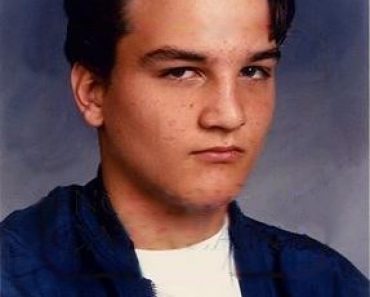
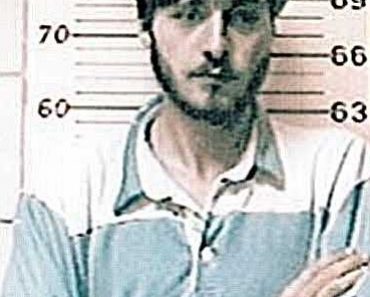
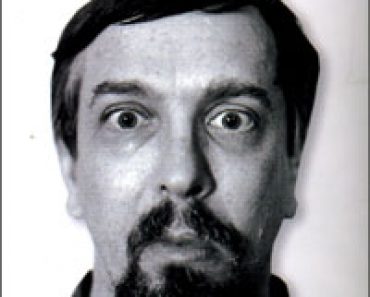
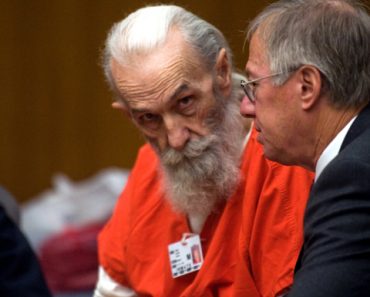
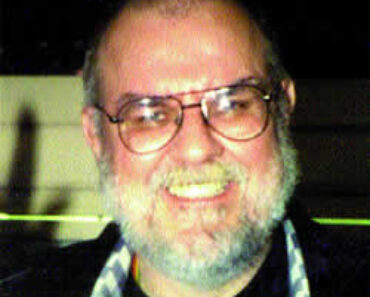
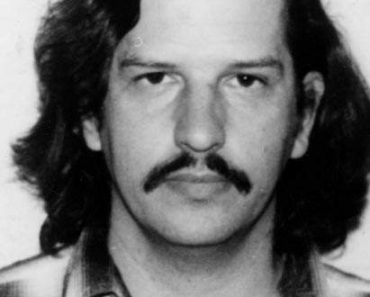
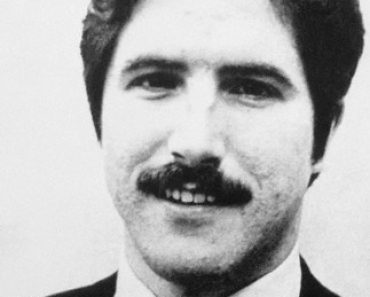
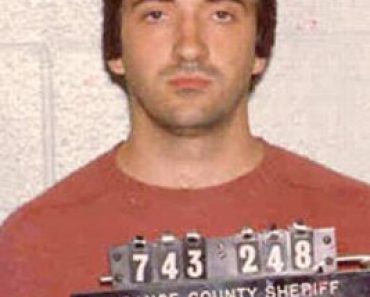
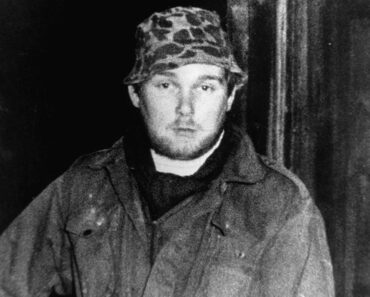
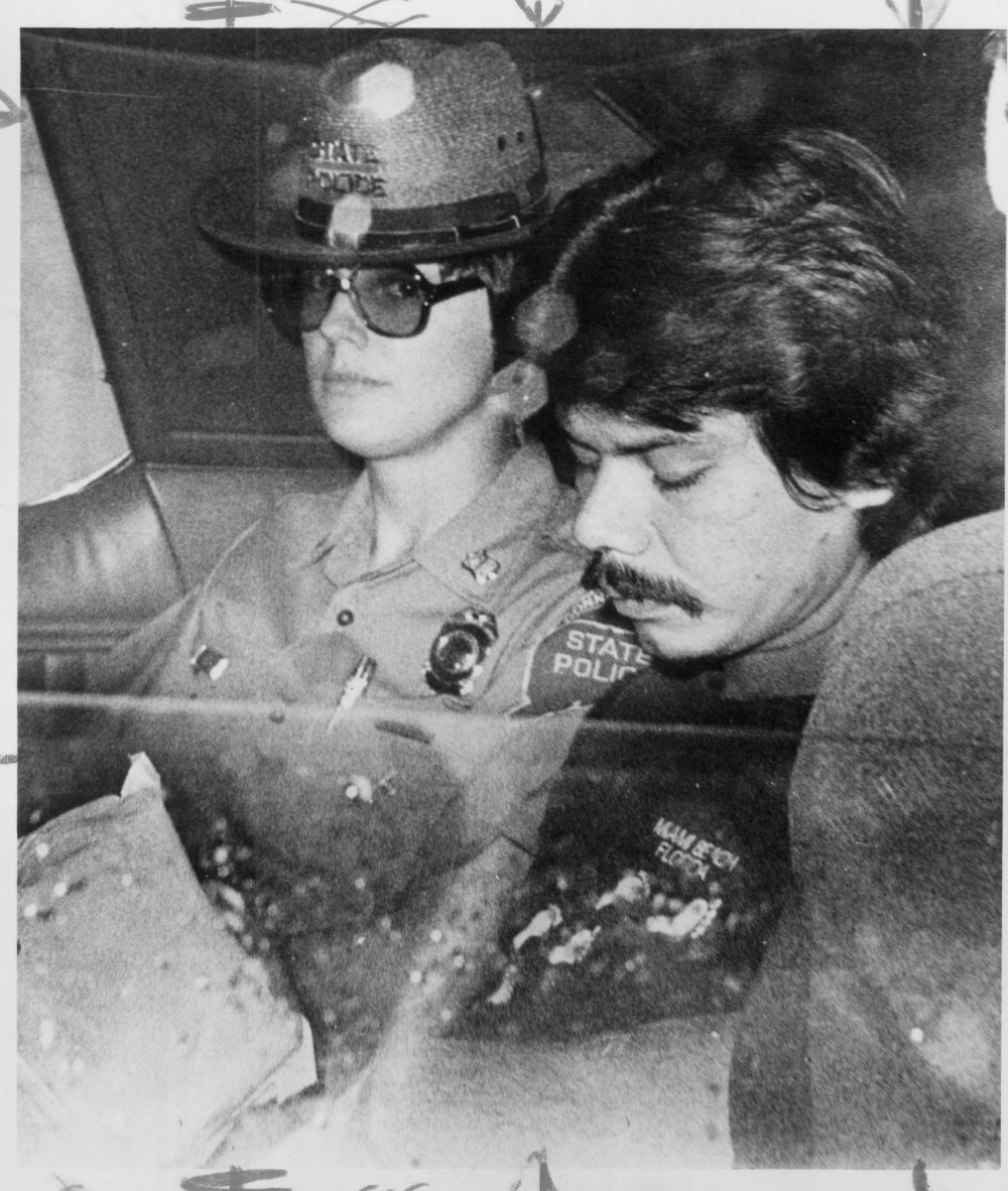
Lorne Joe Acquin Photo
Lorne Joe Acquin

Lorne Joe Acquin | Mass Murderer

  • Name: Lorne Joe “Lorne J.” Acquin
  • Born: March 21, 1950 (Canada)
  • Age at crime: 27
  • Nationality/Residence: Canadian-born; living in Connecticut
  • Relation to victims: Foster brother to the family’s father
  • Crime type: Family mass murder; arson; sexual assault noted in record
  • Date/Time: Night of July 21–22, 1977 (pre-dawn hours)
  • Location: Prospect, Connecticut (private residence)
  • Victims (9):
  • • Cheryl Beaudoin (29)
  • • Frederick (12), Sharon (10), Debra Ann (9), Paul (8), Roderick (6), Holly Lyn (5), Mary Lou (4)
  • • Cousin: Jennifer Santoro (6)
  • Method(s): Blunt-force trauma (lug wrench/tire iron), stabbing; gasoline used to set the house on fire
  • Key evidence referenced: 7-page confession (later recanted); bloody clothing/shoes recovered; some crime-scene prints reported as not matching victims or defendant
  • Arrest/Charges: Taken into custody July 22, 1977; charged with 9 counts of murder and 1 count of arson
  • Trial: Jury trial began July 16, 1979; verdict: guilty on all counts
  • Sentence: 105 years to life (stacked terms; parole eligibility only after ~50+ years)
  • Status: Deceased in custody; died June 2015 (age 65)
  • Notable: At the time, the case was regarded as the worst mass murder in Connecticut history (later surpassed by Sandy Hook, 2012).

Classification & Characteristics

Lorne J. Acquin is best classified as a family mass murderer (domestic mass homicide) with a sexual-violence component and forensic awareness. The crime occurred in a single event, within a private residence he could access through trust and familiarity. The method shows control and proximity-blunt-force trauma and stabbing at close range-followed by binding of some victims to immobilize and dominate. The subsequent arson indicates a calculated attempt to destroy evidence and obscure sequence, a hallmark of organized post-offense behavior.

His victimology was intimate and situational: a young mother and eight children within the social orbit of his foster family. The alleged sexual assault of a child before the killings suggests paraphilic, power-control motives braided with shame-triggered rage. Entry without force, exploitation of late-night vulnerability, and rapid escalation to eliminate witnesses point to instrumental violence rather than a psychotic break as the primary driver, even as later claims of memory gaps complicate the clinical picture.

Behaviorally, the offense blends organized planning (access, restraint, scene manipulation by fire) with disorganized brutality (overkill, chaotic room-to-room attacks). Pre-existing criminality and institutional misconduct after conviction align with a pattern of impulsivity, rule violation, and poor empathy, while the detailed confession later recanted fits a profile of externalization and narrative shifting once legal consequences harden. Taken together, Acquin’s characteristics reflect a control-oriented, opportunistic offender whose lethal violence unfolded inside a trusted home, then was staged by arson to erase what could not be undone.


Lorne Joe Acquin | Mass Murderer

The Story

The Prospect, Connecticut Mass Murder was a mass murder that occurred on July 22, 1977, when 27-year-old Lorne Joe Acquin killed his foster brother’s wife, her seven children, and her niece in their home at Cedar Hill Drive in Prospect, Connecticut. He beat them all to death with a tire iron, before setting the building on fire.

It remains the largest mass murder in Connecticut history.

The Murders

On Friday, July 22, 1977, residents on Cedar Hill Drive were awoken from their sleep by the smell of smoke. Looking out onto the street, they saw the house of their neighbor, Cheryl Beaudoin, engulfed in flames. Despite the best efforts of the fire brigade, the house was gutted. Once inside, firefighters found charred bodies throughout the residence.

In the kitchen area, they found 29 year old Cheryl Beaudoin dead on the floor. The bodies of three children were found in a bedroom, along with another bedroom containing two more children. Another child’s body was found in the master bedroom and two more bodies were found in the bathroom. Several of the children, as well as Cheryl Beaudoin, had their hands tied behind their backs. Two of the other children’s feet were tied together. All of the children appeared to have head wounds.

The victims, aside from Cheryl Beaudoin, were her seven children: Frederick (aged 12), Sharon Lee (aged 10), Debra Ann (aged 9), Paul (aged 8), Roderick (aged 6), Holly Lyn (aged 5), and Mary Lou (aged 4). The ninth victim was Jennifer Santoro (aged 6), who was a visiting child of a family friend.

Lorne Joe Acquin

Within 24 hours, police had interviewed more than a hundred witnesses, including Beaudoin’s husband and his foster brother Lorne Joe Acquin, who had been playing at the house with the Beaudoin children the previous night. The following Sunday night, Acquin agreed to make a statement to police in which he admitted to attacking his sister-in-law with a tire iron. After attacking her, he turned his attacks on the children with the same weapon. He then spread gasoline around the house and set it on fire. Later that day, he was charged with nine counts of murder and one count of arson.

It was the worst mass murder in Connecticut’s history until the tragedy of Sandy Hook Massacre.

Lorne Joe Acquin went on trial July 16, 1979. He was sentenced to 25 years to life on each murder conviction and 20 years for arson. The state asked for a sum of 245 years. The judge laid down 105 years to life-with parole only possible after half a century.

His motive was some kind of twisted revenge. Against whom? He’s never said.

Thirty-eight years after the fire, Lorne J. Acquin died as quietly as a match going out—June 2015, age sixty-five, felled by a sudden brain bleed and kept briefly on a ventilator while the state searched for next of kin who never came. No autopsy settled the questions that trailed him; there was only a cremation, a labeled container, and a funeral director who checked, now and then, if anyone would claim what was left. In the end, the man who erased a family slipped into the earth without ceremony, likely among other unclaimed dead—a solitary exit for a life that set a crowded house alight.

source: murderpedia | wikipedia | allthatsinteresting | medium


📚 Additional Resources

  • State v. Acquin (Conn. 1982) – full opinion (Justia): appellate history, confession challenges, and trial facts. Justia
  • State v. Acquin – CourtListener mirror: searchable version of the decision for quick quote pulls. CourtListener
  • CTInsider obituary of Fred Beaudoin (2025): context on the father’s life after the murders. CT Insider

📚 Further Reading / Watching

This site contains affiliate links. We may, at no cost to you, receive a commission for purchases made through these links. Thank you for your support.


JOIN US

Fireside Crime Stories

If the written word keeps you leaning forward into the shadows, then you’ll love settling back by the fire with us. On our YouTube channel, these same haunting stories are told in a softer voice – woven with stormlight, fire crackle, and quiet piano. Perfect for late-night listening, or for those who want to drift into slumber carried by true crime whispers instead of headlines. Step into the firelight, and join us there.

FIRESIDE CRIME STORIES


👉Related WickedWe Cases

This page is part of the WickedWe True Crime Archive – a resource for researchers, students, and true crime enthusiasts seeking verified facts, case records, and deeper historical context.

Court records & opinions