



















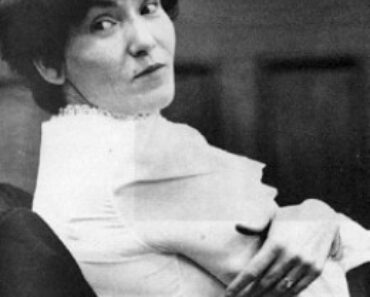
Rosemary West | The Twisted Tale Of A Female Serial Killer

Rosemary West built her life on secrets, her marriage on blood, and her legacy in the walls and garden of 25 Cromwell Street – a place the world would come to know as the House of Horrors.

Rosemary West | Serial Killer
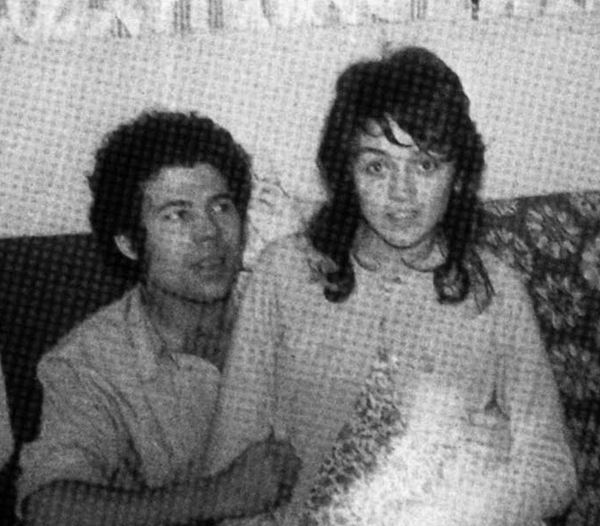
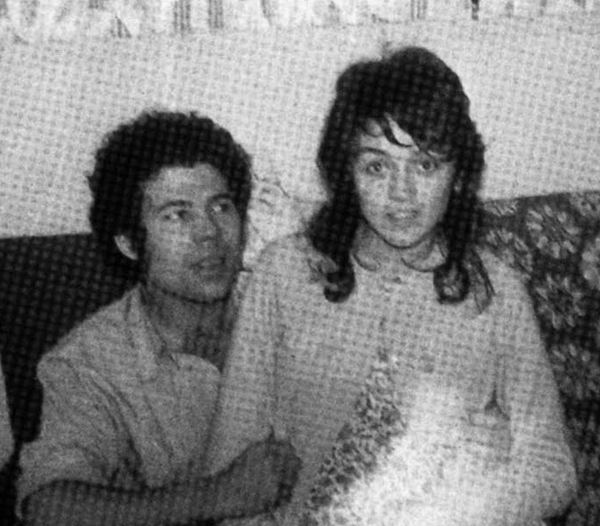
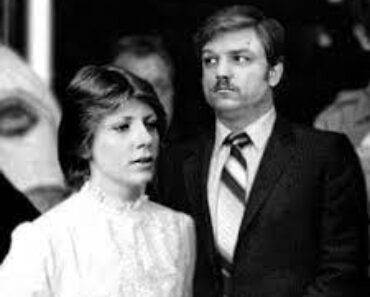
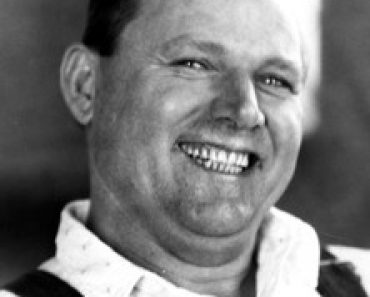
Rosemary West and Fred photo in younger years
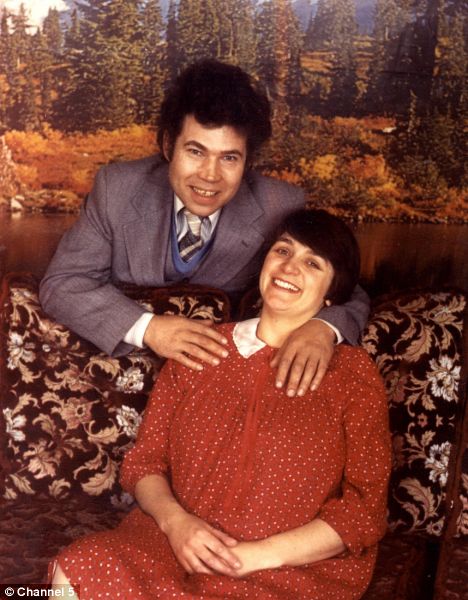
Fred and Rosemary West

Rosemary West | British Female Serial Killer

  • Full Name: Rosemary Pauline West (née Letts)
    Alias: “Rose West,” part of the “Fred and Rose West” killing duo
    Born: November 29, 1953 – Northam, Devon, England
    Height: 5’4″
    Gender: Female
    Nationality: British
    Classification: Serial Killer, Sexual Sadist, Accomplice Murderer
    Characteristics: Sadistic sexual abuse, torture, mutilation, sexual dominance, jealousy-fueled violence
    Number of Victims: 10 confirmed (suspected 12+)
    Date of Murders: 1971–1987
    Date of Arrest: February 24, 1994
    Date of Conviction: November 22, 1995
    Victim Profile: Young women and girls (including stepdaughter and biological daughter)
    Method: Strangulation, suffocation, torture, dismemberment
    Location: Gloucester, England (notably 25 Cromwell Street)
    Accomplice: Frederick Walter Stephen West (husband)
    Motive: Sexual gratification, control, jealousy, domination
    Convictions: 10 counts of murder
    Sentence: Life imprisonment (Whole-life tariff – no parole)
    Incarceration: HM Prison New Hall, Wakefield, West Yorkshire, England
    Status: Alive – serving life sentence

Classification & Characteristics

Rosemary West was a serial killer and sexual sadist, driven by domination, jealousy, and a pathological need for control. Her crimes were defined by brutality and psychological cruelty, fueled by a volatile partnership with her husband, Fred West. Together, they lured young women and teenage girls—often runaways, lodgers, or even family members—into what appeared to be a safe household, only to subject them to unspeakable torture, sexual assault, and death. Beneath her outward charm, Rosemary displayed traits consistent with antisocial personality disorder and narcissistic aggression, masking her depravity behind the façade of a dutiful wife and mother.

Her behavioral signature included prolonged captivity, ritualistic abuse, and dismemberment for concealment. The murders occurred primarily at their home on 25 Cromwell Street in Gloucester, which became infamous as “The House of Horrors.” Evidence later revealed that Rosemary’s involvement was not passive or coerced but active and sadistic—she was both participant and instigator. Her motivation stemmed from a lethal blend of jealousy, sexual obsession, and the intoxicating power of domination. Convicted in 1995 of ten murders and sentenced to a whole-life term, Rosemary West remains one of the few women in British history condemned to die behind prison walls.


Rosemary West

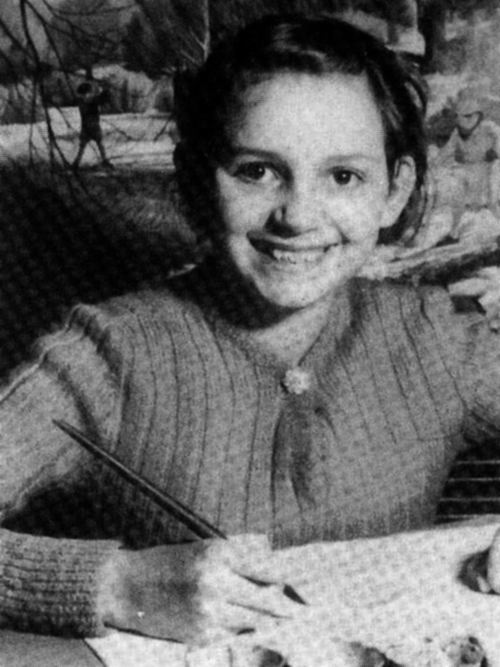
Rosemary West is a British serial killer and now an inmate at HMP Low Newton, Brasside, Durham. She was convicted, in 1995, of murdering 10 young women in the span of nearly 14 years.

Her husband, Fred West, is believed to have collaborated with her in the torture and murder of those 10 young women, as well as 2 more on his own. Many were dismembered and buried at the couple’s home in Gloucester, Gloucestershire, England. Fred committed suicide in prison while awaiting trial, leaving Rosemary to carry the bag.


Rosemary West | British Female Serial Killer

The Story

The House on Cromwell Street: A Marriage Built on Violence

When Rosemary Letts met Fred West in 1969, she was just sixteen, impressionable yet already deeply damaged. Her childhood was marked by sexual abuse from her father, an unstable home, and a family history of mental illness. Fred, thirteen years older, recognized her vulnerabilities instantly-and exploited them. Their relationship began as a twisted bond of obsession and cruelty, each feeding the other’s darkest desires.

Fred had already shown signs of psychopathic violence, and Rosemary, rather than recoiling, seemed to thrive in it. The two moved in together quickly, and by the early 1970s, the partnership that would come to define their infamy was complete. They shared not love but power-an erotic, controlling kind of dominance that blurred every moral line. Together, they began to hunt.

Their victims were young women-often hitchhikers, lodgers, or runaways-who found themselves charmed by the couple’s apparent normalcy. Fred would lure them home with the promise of a meal, a job, or a room to rent. Once inside 25 Cromwell Street, the illusion ended. Behind the closed door of that narrow townhouse, the Wests’ cruelty reigned unchecked.

The victims were bound, gagged, and subjected to unimaginable acts of torture and sexual sadism. The attacks were not impulsive-they were ritualistic, deliberate, and shared. Fred filmed many of them, treating suffering as a kind of entertainment. Rosemary, at times jealous, at times gleeful, was both participant and predator. When the women were finally killed-often strangled or suffocated-their bodies were dismembered and buried beneath the floorboards or in the small garden behind the house.

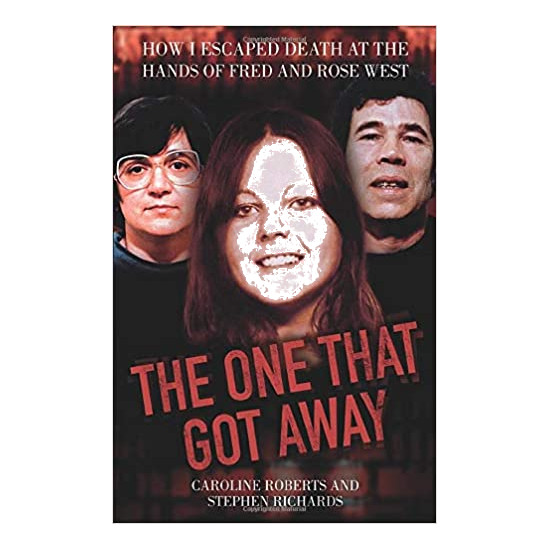
Rosemary West and her husband were convicted of sexual assault in January 1973. They were fined for indecent assault of Caroline Roberts who escaped the couple’s home after being abducted, sexually attacked and promised death. She reported them to the police. The Wests’ typical pattern was to pick up girls from bus stops in and around Gloucester and imprison them in their home for several days before killing them. Caroline was the only one, as far as was ever reported, to have escaped the killer couple.

The Wests’ neighbors at Cromwell Street often heard loud music and laughter, but they never suspected the nightmare that played out within those walls. The couple raised their own children amid the horror—family photos on the mantle, fresh flowers by the window-while bones lay hidden just below the surface.


Rosemary West

Rosemary West
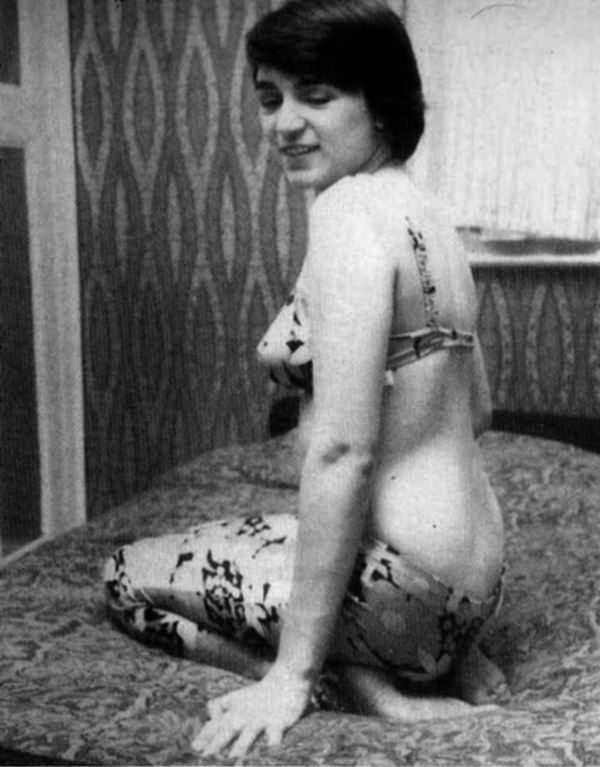
Rosemary’s magazine ad for prostitution

Rosemary West periodically worked as a prostitute, often while her husband watched. He drilled peep holes in the wall so he could enjoy the event without being seen. One of the most frequent visitors to 25 Cromwell Street, was her own abusive father. She was often pregnant and was eventually the mother of eight children. Five of these were fathered by Fred West, while three were fathered by johns she met through prostitution. It is reported that, even after the birth of her fourth child, Rosemary’s father would still visit her for sex and would often rape Fred’s young daughter, Anne-Marie.

By the late 1970s, the violence began to circle inward. Fred’s daughter from a previous marriage, Charmaine West, became one of Rosemary’s earliest victims. When Fred was in prison, Rosemary killed the child in a fit of rage and later told neighbors she’d gone to live with her mother. Years later, their own daughter Heather would meet the same fate. Heather had threatened to expose what happened in the house-and vanished soon after. Fred and Rose explained that she’d run away. In truth, Heather was buried in the back garden.

As the years passed, the couple’s sadism escalated. Some victims were picked up at bus stops or invited into the home as boarders. Many were never reported missing-isolated girls with few ties and no one to look for them. Inside 25 Cromwell Street, the atmosphere was a blend of domestic routine and quiet terror. Children played in rooms once used for murder. Fred built soundproof chambers and installed locks on every door.

It wasn’t until 1992, after reports of abuse from one of their surviving daughters, that police began to dig deeper. The investigation started as a welfare check and grew into one of the most gruesome excavations in British history. Cadaver dogs alerted in the garden. Forensic teams unearthed bones. Then more bones. One by one, the victims emerged from the soil-each discovery a new chapter in horror.


Rosemary West | British Female Serial Killer


Fred and Rosemary were arrested in 1994. In the beginning, they denied everything. Then, faced with overwhelming evidence, Fred confessed to the murders of twelve young women. He tried to shield Rosemary, calling her innocent, even as evidence proved otherwise. Before trial, he hanged himself in his prison cell on New Year’s Day, 1995.

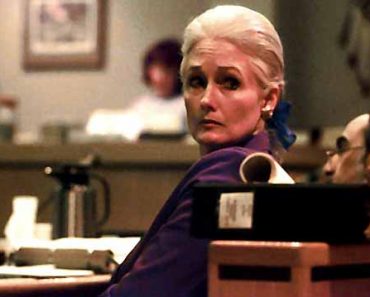
Rosemary West stood trial alone that autumn. Over seven weeks, the court heard testimony of brutality beyond comprehension. Survivors described years of sexual abuse; police detailed the discovery of mutilated remains. Through it all, Rosemary sat emotionless, denying every accusation.

On November 22, 1995, the jury returned guilty verdicts on ten counts of murder. The judge handed down a whole-life sentence, ensuring she would die behind bars. As she was led away, she turned once to look at the gallery-but there was no one left to meet her gaze.

Today, the house at 25 Cromwell Street no longer exists. It was demolished in 1996, the ground beneath it filled and sealed, the address wiped from postal records. But its infamy endures. In whispers. In books. In nightmares. The “House of Horrors” remains one of the darkest symbols of domestic evil-a reminder that monsters sometimes live behind lace curtains, smiling for the neighbors, while burying their secrets beneath the floor.


The Trial, Sentence, and Legacy

The trial of Rosemary West became one of the most closely followed court cases in British history – not simply for its brutality, but for what it revealed about the banality of evil. Over seven weeks, jurors and journalists alike listened to testimony that peeled away the last layers of her façade. They learned how she had comforted victims before torturing them, how she sang along to pop songs while her husband buried bodies beneath the floor, and how she returned to normal life with unnerving calm.

Fred West’s death left Rosemary to carry the weight of both their sins. Prosecutors portrayed her not as a coerced accomplice but as a co-conspirator – calculating, dominant, and often the driving force behind the violence. Witnesses described her sadistic jealousy, her need to control, and her ability to compartmentalize horror with frightening ease. The evidence was overwhelming: ten women and girls confirmed dead, their remains recovered from the house, garden, and cellar of 25 Cromwell Street.

On November 22, 1995, Rosemary West was found guilty of ten counts of murder. The judge, Mr. Justice Mantell, called her crimes “appalling and depraved beyond measure” and imposed a whole-life tariff, ensuring she would never walk free. In that moment, she became only the second woman in modern British history – after Myra Hindley – to receive such a sentence.

The demolition of 25 Cromwell Street in 1996 marked both an end and a beginning. The physical evidence of their crimes was erased, but the psychological stain remained. The site was filled in, removed from postal maps, and left as an unmarked space in the heart of Gloucester – a place too haunted for rebuilding.

Inside HM Prison New Hall, Rosemary West lives in near isolation. She has never confessed, never expressed remorse, and continues to deny involvement despite the overwhelming forensic proof. In the years since her conviction, her name has become synonymous with domestic sadism – the woman who turned motherhood into a weapon and marriage into a shared sentence of death.

Her crimes altered the landscape of criminal psychology in Britain. Investigators and forensic experts studied the case for decades, seeking to understand how two people could feed each other’s depravity so completely. The Wests became the benchmark for couple killers – a reminder that when cruelty finds companionship, the result is often catastrophic.

To this day, Rosemary West remains incarcerated – a living relic of one of England’s darkest eras. The legacy she leaves behind is one of unimaginable suffering, fractured families, and a nation still trying to reconcile how evil so profound could have lived so quietly behind closed doors.


📚 Additional Resources

📚 Further Reading / Watching

This site contains affiliate links. We may, at no cost to you, receive a commission for purchases made through these links. Thank you for your support.


JOIN US

Fireside Crime Stories

If the written word keeps you leaning forward into the shadows, then you’ll love settling back by the fire with us. On our YouTube channel, these same haunting stories are told in a softer voice – woven with stormlight, fire crackle, and quiet piano. Perfect for late-night listening, or for those who want to drift into slumber carried by true crime whispers instead of headlines. Step into the firelight, and join us there.

FIRESIDE CRIME STORIES


👉Related WickedWe Cases

This page is part of the WickedWe True Crime Archive – a resource for researchers, students, and true crime enthusiasts seeking verified facts, case records, and deeper historical context.