
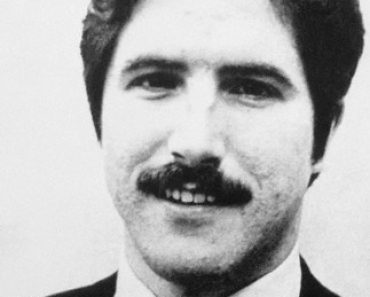
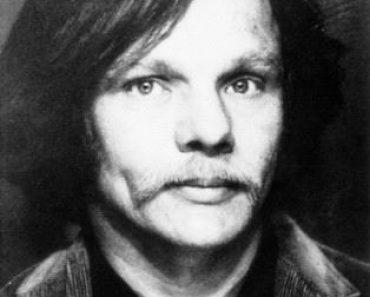
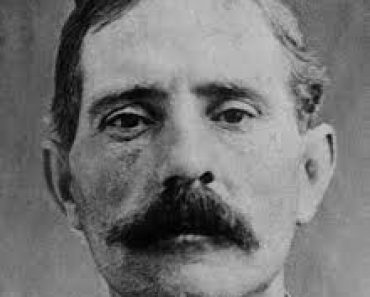
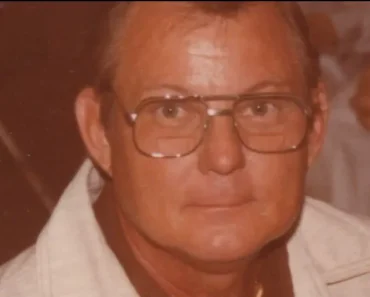
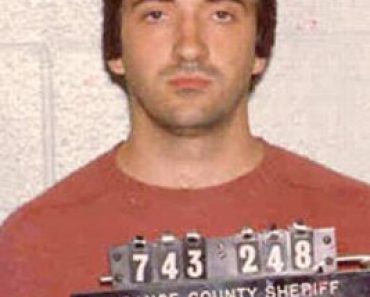
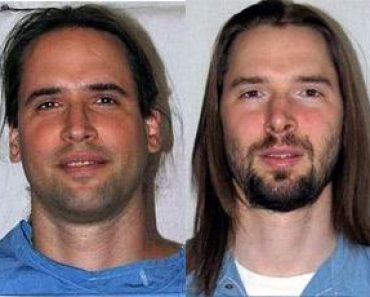

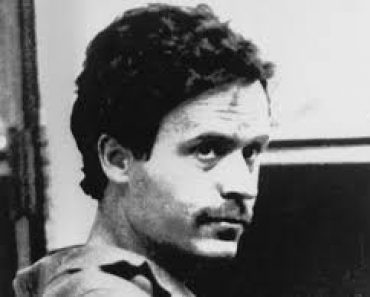


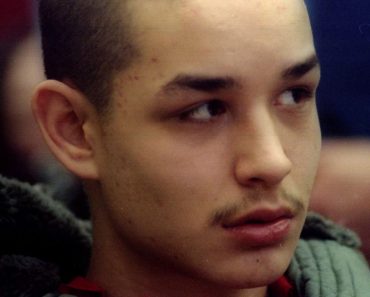























Michael Bruce Ross | The Roadside Strangler | The Serial Killer Who Dropped Hints

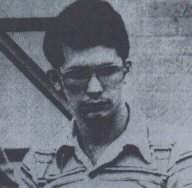
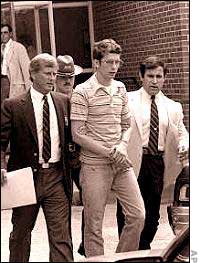
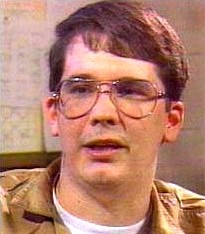
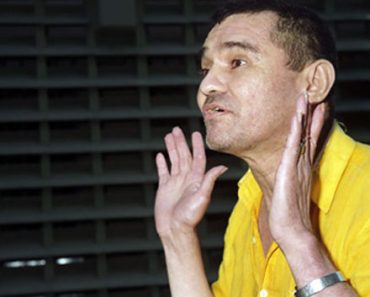
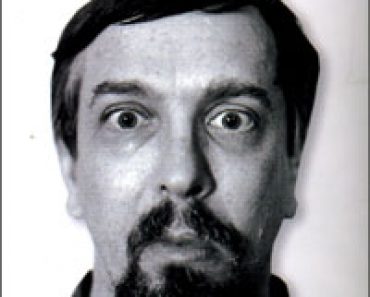
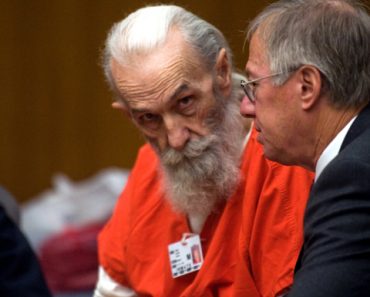
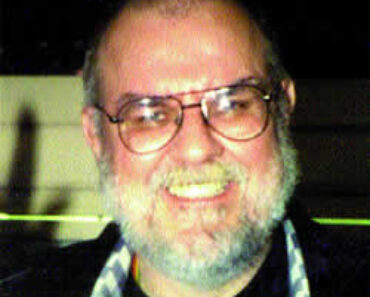
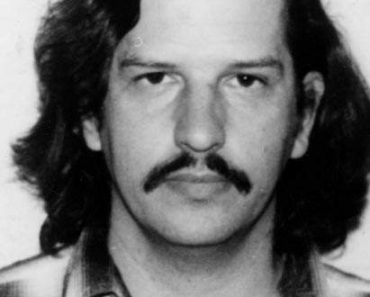
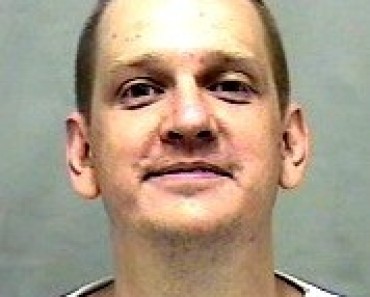
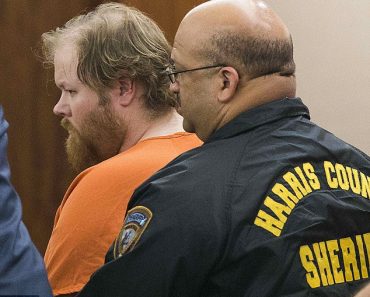
Michael Bruce Ross was an American serial killer who murdered eight young women in Connecticut and New York between 1981 and 1984. After years of appeals, he ultimately waived further review and was executed by lethal injection on May 13, 2005 – New England’s first execution since 1960.

Michael Ross
Michael Ross

American Serial Killer

Michael Ross | The Roadside Strangler

20Last Update December 1, 2025


  • Offender: Michael Bruce Ross (aka “The Roadside Strangler”; sometimes dubbed “The Egg Man”)
  • Born / Died: July 26, 1959 – May 13, 2005
  • Crimes: Abduction and murder of 8 females (ages 14–25) across CT & NY, 1981–1984
  • Arrested: June 29, 1984
  • Primary conviction: Capital felony/murder (CT) for four Connecticut killings; later pled guilty in NY to first-degree manslaughter in one case
  • Sentence: Death in Connecticut (1987); 8⅓–25 years in New York (2001)
  • Execution: May 13, 2005, Osborn Correctional Institution (Somers, CT), lethal injection—New England’s first execution since 1960 and Connecticut’s last.
  • Sources: CT State Library, Osborn CI, Capital Punishment in CT, CBS/AP, Wikipedia

Classification & Characteristics

Ross presents as an organized, predatory serial offender who targeted young women near roadsides, campuses, and commuter routes – abducting them with planning and control. Post-arrest, he confessed to eight murders, cooperated to varying degrees, and later “volunteered” for execution by waiving appeals after competency litigation, a move that split observers between viewing it as remorse versus state-facilitated suicide. He also telegraphed details in correspondence: following his execution, a taunting note surfaced addressed to a psychiatrist who had argued he was incompetent an example of his hinting/need to control the narrative even at the end.
Sources: DPIC overview, AP/CBS, AP report on taunting letter (via Sun-Sentinel)


→ Quick Answers

  • Where did the execution of Michael Ross occur? Osborn Correctional Institution, Somers, CT. (Osborn CI)
  • Why did the execution of Michael Ross draw national attention? First New England execution since 1960; Ross insisted on being executed. (CBS/AP, CT Capital Punishment)
  • Did Michael Ross “drop hints” to investigators? He confessed and later corresponded about the case; after execution, a taunting letter addressed to a psychiatrist surfaced, reflecting continued messaging/control. (Sun-Sentinel/AP)
  • Is CT’s death penalty still in effect? No. CT abolished it in 2012 and vacated remaining death sentences in 2015; Ross remains CT’s last execution. (CT Capital Punishment)

Timeline of the Michael Bruce Ross Case

  • May 12, 1981 – June 13, 1984: Series of abductions and murders in CT/NY (8 known victims).
  • June 29, 1984: Arrested in Connecticut.
  • July 6, 1987: Death sentence in CT (four counts).
  • 1994: State v. Ross, CT Supreme Court affirms conviction/sentence on direct appeal.
  • 2001: Pleads guilty in New York (first-degree manslaughter) for an additional homicide; sentenced to 8⅓–25 years.
  • Jan 2005: Execution dates set and stayed amid competency fights and “death-row syndrome” claims.
  • May 13, 2005: Executed by lethal injection at Osborn CI (Somers, CT).
  • Sources: CT State Library chronology, State v. Ross citations, Wikipedia

Case Summary

Operating along commuter corridors and suburban edges in the early 1980s, Ross attacked young women traveling alone. After his 1984 arrest, investigators linked him to eight murders committed across CT and NY. A Connecticut jury sentenced him to death in 1987; appeals spanned nearly two decades, including litigation over whether he was competent to waive further appeals. Ultimately, courts allowed his wish to proceed, and he was executed in 2005, the first (and last) in CT after reinstatement of capital punishment. Sources: CT State Library, DPIC


🕊️Victims of Michael Bruce Ross | (known)

  • Listed in age/date order as documented in court and press records.
    Dzung (Darlene) Ngoc Tu (25) – 1981 (Ithaca, NY; Cornell campus area).
    Paula Perrera (16) – 1982 (NY; later NY plea to manslaughter).
    Tammy Williams (17) – 1982 (CT).
    Debra Smith Taylor (23) – 1982 (CT).
    Robin Stavinsky (19) – 1983 (CT).
    April Brunais (14) – 1983 (CT).
    Leslie Shelley (14) – 1983 (CT).
    Wendy Baribeault (17) – 1984 (CT).
    Sources: Wikipedia (victim list), Washington Post profile of Tu

→ FAQs

How did investigators finally stop Michael Bruce Ross

Post-abduction patterns and forensic follow-up converged; an arrest in June 1984 led to interviews and confessions tying him to multiple murders. (CT State Library)

Why did Michael Bruce Ross’ case keep returning to court?

Beyond standard capital appeals, competency to waive appeals and alleged death-row syndrome were litigated in state and federal courts. (DPIC summary, Ross ex rel. Ross v. Rell)

Where was Michael Bruce Ross executed and by what method?

Osborn CI (Somers, CT), lethal injection, at 2:25 a.m. on May 13, 2005. (CBS/AP, CT State Library)

What’s the “hinting/taunting” reference?

After execution, an AP report noted a taunting letter Ross had sent to a psychiatrist who challenged his competency – an echo of his post-arrest pattern of controlling the narrative. (AP via Sun-Sentinel)


Michael Bruce Ross | The Roadside Strangler


Michael Bruce Ross | The Roadside Strangler

👉 The Story

Michael Ross

Serial killer Michael Ross is a tragic tale of a young man who came from a farm life he loved, although he cannot remember the abuse he suffered as a child. It is also a tale of this same man who, driven by sexually violent fantasies, brutally raped and murdered eight young girls. And finally it is a tragic tale of a judicial system that is riddled with imperfections in its responsibility of deciding life or death.

The Childhood Years of Michael Ross

Michael Ross was born on July 26, 1959 to Daniel and Pat Ross in Brooklyn, Conn. According to court records, the two married after Pat discovered she was pregnant. The marriage was not a happy one. Pat hated farm life and after having four children and two abortions, she ran off to North Carolina to be with another man. When she returned home she was institutionalized at Norwich Hospital. The admitting doctor wrote that Pat talked of suicide and of beating and striking her children.

A Child Abused

Ross’ sister says that as a child, Michael Ross took the brunt of his mother’s anger. It is also suspected that an uncle of Ross’s, who committed suicide, may have sexually molested Michael while babysitting him. Ross says he remembers very little about his childhood abuse, but does remember how much he loved helping his father around the farm.

Strangling Chickens

After his uncle committed suicide the job of killing sick and malformed chickens became eight-year-old Michael’s responsibility. He would strangle the chickens with his hands. As Michael got older, more of the farm responsibilities became his and by the time he was in high school his father depended a lot on Ross’ help. Michael loved farm life and met his responsibilities while also attending high school. With a high IQ of 122, balancing school with farm life was manageable.

The College Years

Michael Ross entered Cornell University and studied agricultural economics. He began dating a woman who was in ROTC and dreamed of someday marrying her. When the woman became pregnant and had an abortion, the relationship began to falter. After she decided to signup for a four-year service commitment, the relationship ended. In retrospect Michael says as the relationship became more troubled he began to have fantasies that were sexually violent. By his sophomore year he was stalking women.

Fantasies of Rape and Murder

In his senior year at college, despite being engaged to another woman, Ross’ fantasies were consuming him and he committed his first rape. In that same year, he also committed his first rape and murder by strangulation. Ross said afterward he hated himself for what he did and tried to commit suicide, but lacked the ability to do it and instead promised himself he would never hurt anyone again. However, by 1984, Ross had raped and killed eight young women, the oldest being 25.

The Victims of Michael Ross

Dzung Ngoc Tu, 25, a Cornell University student, killed May 12, 1981. Paula Perrera, 16, of Wallkill, N.Y., killed in March, 1982. Tammy Williams, 17, of Brooklyn, killed Jan. 5, 1982. Debra Smith Taylor, 23, of Griswold, killed June 15, 1982. Robin Stavinksy, 19, of Norwich, killed November, 1983. April Brunias, 14, of Griswold, killed April 22, 1984. Leslie Shelley, 14, of Griswold, killed April 22, 1984. Wendy Baribeault, 17, of Griswold, killed June 13, 1984.


Michael Bruce Ross | The Roadside Strangler


Finding Michael Ross

Michael Ross

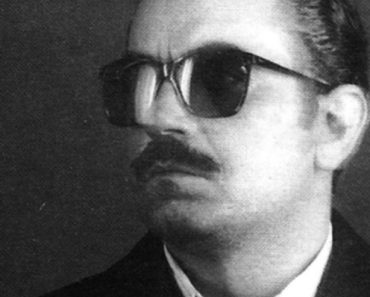
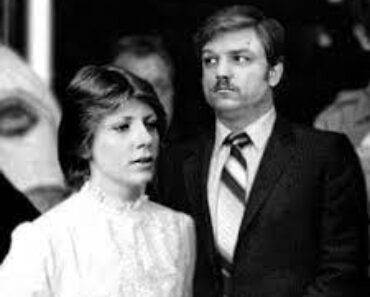
Michael Malchik was assigned chief investigator after the murder of Wendy Baribeault in 1984. Witnesses provided Malchik with both the description of the car — a blue Toyota — and the person who they believed kidnapped Wendy. Malchik began the process of interviewing a list of blue Toyota owners which brought him to Michael Ross. Malchik testified that during their initial meeting, Michael Ross enticed Malchik to ask more questions by dropping subtle hints that he was their man.

Michael Ross Confesses

By now, Michael Ross was living in Jewett City as an insurance salesman. His parents had divorced and sold the farm. During the interview with Malchik, Ross told of his past two arrests on sex offenses. It was at this point Malchik decided to bring him to the station for questioning. At the station the two talked like old friends: discussing family, girl friends, life in general. By the conclusion of the interrogation Michael Ross confessed to the kidnapping, rape, and murder of eight young women.

The Judicial System

In 1986, Ross’ defense team moved for a dismissal on two of the murders, Leslie Shelley and April Brunais, because they were not murdered in Connecticut and not within the jurisdiction of the state. The state said that the two women were murdered in Connecticut, but even if they hadn’t been, the murders began and ended in Connecticut which granted the state jurisdiction.

The Credibility Factor

But then a question of credibility came up when the state produced a statement by Malchik claiming that Michael Ross gave Malchik directions to the crime scene. Malchik claimed that somehow the directions were left out of statements, both written and taped, two years earlier. Ross denied ever giving such directions.

Evidence in Rhode Island

The defense produced cloth matching a slip cover in Ross’ apartment which was found in the woods in Exeter, Rhode Island, along with a ligature used to strangle one of the girls. The defense also produced a taped statement of Michael Ross offering to take the police to the crime scene, although Malchik stated he didn’t recall such an offer.

A Possible Cover up

Superior Court Judge Seymour Hendel exploded during the closed hearing, accusing the prosecutors and police of purposely misleading the court with lies. Some of the counts against Ross were removed, but the judge refused to reopen the suppression hearing on Ross’ confession. When sealed records were opened two years later, Hendel retracted his statements.

Michael Ross is Convicted

In 1987, Michael Ross was convicted for the murders of four of the eight women he confessed to killing. It took the jury 86 minutes of deliberations to convict him and only four hours to decide on his punishment — death. But the trial itself faced a lot of criticism in regards to the Judge who presided over it.

Michael Ross

After his conviction, Michael Ross spent his time in prison submitting his writings and doing interviews about what he viewed as mistreatment by the judicial system. He seemingly cooperated with the investigation of the murders he committed, but in return wanted his acts to be seen as what he believes they are: an illness that he cannot control.

Stop All Appeals
Michael Ross

Michael Ross said he no longer wants the families of his victims to be hurt, and that because of the way the judicial system is designed, his illness will never be brought to the forefront of discussion, which was a motivating factor to him to stay alive these past years.

Michael Ross waived all appeals and has become a “volunteer” for his scheduled execution on January 26, 2005. He as executed on May 13th of 2005 by lethal injection.


Legal Status / Paper Trail | Michael Bruce Ross


📚 Additional Resources

📚 Further Reading / Watching

This site contains affiliate links. We may, at no cost to you, receive a commission for purchases made through these links. Thank you for your support.


JOIN US

Fireside Crime Stories

If the written word keeps you leaning forward into the shadows, then you’ll love settling back by the fire with us. On our YouTube channel, these same haunting stories are told in a softer voice – woven with stormlight, fire crackle, and quiet piano. Perfect for late-night listening, or for those who want to drift into slumber carried by true crime whispers instead of headlines. Step into the firelight, and join us there.

FIRESIDE CRIME STORIES


Related WickedWe Cases


👉 This page is part of the WickedWe True Crime Archive – a resource for researchers, students, and true crime enthusiasts seeking verified facts, case records, and deeper historical context. [Disclaimer→ WickedWe.com is an educational/entertainment column only. No graphic imagery. Victim-respect policy. Nothing herein is legal advice.]

Beyond the Gavel

Roll Card – Snapshot

  • Jurisdiction: Connecticut (primary), New York (additional conviction)
  • Charges (CT): Capital felony/murder (4 counts)
  • Sentence: Death (CT, 1987)
  • Execution: May 13, 2005 | Osborn CI, Somers, CT | Lethal injection
  • Notable: First New England execution since 1960; last in CT history
    Links: CT State Library · Osborn CI

Docket Map – Proceedings (Condensed)

  • 1987 – Death sentence (CT)
  • 1994 – State v. Ross (CT Supreme Court) affirms
  • 2001 – NY plea to manslaughter (separate case)
  • 2004–05 – Competency litigation on waiver of further appeals (state & federal)
  • 2005 – Warrants/stays; execution May 13, 2005
    Links: 1994 cites · Federal order · Chronology

Stay / Warrant / Window

  • Jan 2005 dates set & stayed (competency challenges);
  • May 12–13, 2005 final federal/state denials; execution at 2:25 a.m.
    Links: CTSL entries · CBS/AP

Case File Extras – What the Record Shows

Source Pack (Verification Links)